A shrub of sufficient size can make a yard. It blurs boundaries, shields noise, provides privacy and creates structure that adds intimacy that a small garden is a retreat of your own. But speaking frankly, the majority of gardeners cannot plant a hedge that is going to fill in within a short time. They put on shrubs, water them, wait… and wait… and wait. And months and months go by, now perhaps years, and their hedge is still thin and patchy, or slow.
Why then do some grow thick hedges in a short time and others fail to do so? Read on below to learn how to grow a hedge fast. It is essential to unravel that trick before we expose you to the knowledge of what makes hedge grow in order to find out why this is such a reliable way.
Why Do Hedges Grow Slowly? The Hidden Reasons
Most homeowners assume that watering as well as sunlight are all that is needed to make hedges grow, but a variety of factors intervene:

1. Plant Shock After Planting
In situations where the shrubs are introduced, the root system of the shrubs can take days/weeks to adjust. In case the roots were crowded in a nursery pot, they could remain in the form of a ball underground instead of expanding into new soil.
2. Poor Soil Structure
Roots develop more rapidly in loose and oxygenated soil. Compacted or heavy soil with little nutrients delays root growth, thus delaying the growth of hedges.
3. Incorrect Plant Spacing
When large spacing is done between shrubs, then the spacing would take years before it fills in. When they are too close, they rival each other and become weak.
4. Wrong Plant Selection
And species have a different growth rate. Some are naturally sluggish such as the yew; others, including privet or leylandii, increase in growth much faster.
5. Lack of Proper Pruning
Many folks are scared to trim young bushes. However, it is strategic pruning that boosts growth rate by promoting branching.
And there brings us to the secret trick.
⭐ The One Trick Gardeners Never Tell You: “Root Wake-Up Pruning”.
Here can be seen the expert gardener’s secret trick:
You must loosen off the roots, before you plant your hedge shrubs–vigorously, and then slightly prune them.
This is what is referred to as root scoring or root wake-up pruning and that alters all things.

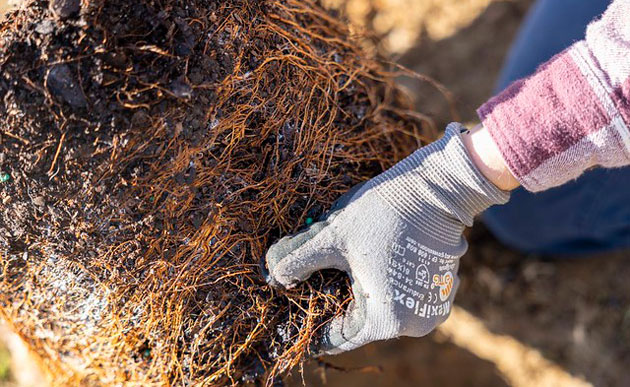
The hedge plants that are sold in nurseries are a bit root-bound i.e., the roots wind around the pot. When so planted, the roots keep going round and round beneath the ground, and find it difficult to grow outwards. This has a detrimental impact on the establishment of hedges. You put the plant in growth mode by trimming, marking, or teasing out such roots prior to planting.
Root Wake-Up Pruning How It Works.
Here’s why it’s so effective:
- It discontinues the root pattern of circling.
- It prompts the growth of new root tips, which expand at a higher rate.
- It stimulates vertical growth outwards into the soil.
- It reduces transplant shock.
- It accelerates the rate of anchoring of every plant and its growth upwards.
- It speeds up maturity by 2-3 times faster than shrubs whose roots were not pruned.
Grow a Hedge: How to Do It Step-by-Step
This is just how root wake-up pruning can be used to grow a hedge fast, in a short time.
Step 1: Select Hedge Plants that Grow Fast.
Assuming speed is your objective, select species whose growth is known to be fast, such as:
- California Privet Japanese/California Privet (Ligustrum)
- Leyland Cypress
- Green Giant Arborvitae
- Boxwood (cilium species grow disturbingly quickly)
- Pittosporum
- Photinia Red Tip
- Portuguese Laurel
- Willow hybrids
Naturally slow growers are to be avoided unless you are a very patient person.
Step 2: Prepare the Planting Trench (Not Just Holes)
In place of a single hole being dug separate per hedge, cut one long trench.
Why?
- It ensures even spacing.
- Roots expand more freely.
- Distribution of water is more even.
- Plants sprout and multiply quicker.
Ideal size of trench: 18 inches x 18 inches (or bigger instead of smaller when dealing with large shrubs). To enhance drainage and nutrient level, add compost or organic matter.
Step 3: The Undercover Action – Wake the Roots.
Take out of the containers each shrub and check the root ball. And, assuming you do (which you are likely to do) –do this:
Option A: Loosen the roots with the fingers.
- Gently remove roots using your fingers.
Option B: Score the root ball
- With a clean blade (knife or pruning shears) make 3-4 vertical cuts (yielding) beginning at the top and going down to the bottom.
Option C: Root-pruning slices
- Rub 1/2 inch of the outer part of the root ball off.
This can seem severe, but it will produce new roots growing vigorously. This is done without much noise on the part of the professional landscapers and it is also one reason why the hedges grow so fast.
Step 4: Plant Closely Enough To have Rapid Plant Cover.
To grow a hedge fast:
- Small/medium species; space the planted shrubs 12-18 inches apart.
- In bigger species (as arborvitae); 2-3 feet spacing is perfect.
Smaller spaces between will result in faster fill-in.
Step 5: Water Deeply (But Not Too Often)
The hedges cultivated grow best when they are watered deeply but not too frequently. Here’s the perfect schedule:
- Week 1-2: Water daily
- Week 3-6: Water every 2-3 days
- Week 6: Water 1 time a week.
Deep roots are achieved through deep watering. Superficial watering produces pathetic plants.
Step 6: Mulch like a Pro
Add a 2–3-inch layer of mulch all along the hedges.
Benefits:
- Keeps moisture in.
- Reduces weeds.
- Regulates soil temperature.
- Nourishes the soil as it gets decomposed.
And—-mulch is good to make hedges grow. If you want to grow a hedge fast, mulching is essential.
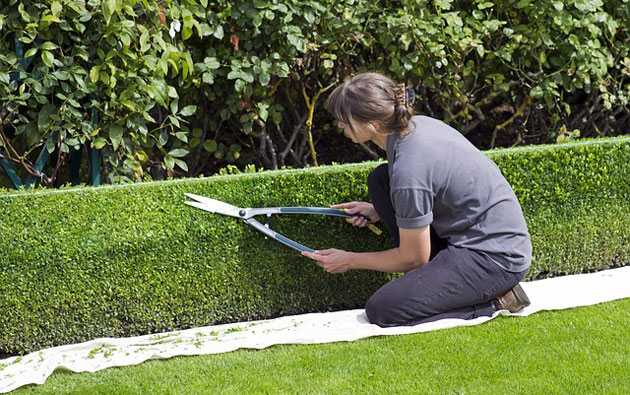
Step 7: The Growth-Boosting Prune
The majority of people do not trim off new hedge plants. That’s a mistake. In case you are interested in having a hedge that is thick, bushy, and fast, prune lightly in the first year.
How to prune for speed:
- Cut the ends of the tallest stems by 2 -3 inches.
- Leave shoulders broader at the bottom and thinner at the top (to avoid thinning).
- Prune 2-3 times of the day in the growing season.
This induces branching, and branching = fullness. You will witness a radical difference in a few months.
Extra Tips to Grow a Hedge Fast
To grow a hedge fast, the following bonus methods are still as effective as ever:
1. Use a Root-Stimulating Fertilizer
Products that have mycorrhizae, bone meal, and phosphorus are used to promote root growth. Good roots bring soaring growth towards the top.
2. Early avoidance of High-Nitrogen Fertilizers.
Excessive nitrogen at an early stage stimulates leaf growth rather than development of the roots. Begin with root-friendly fertilizer during the first 60-90 days.
3. Keep Grass Away
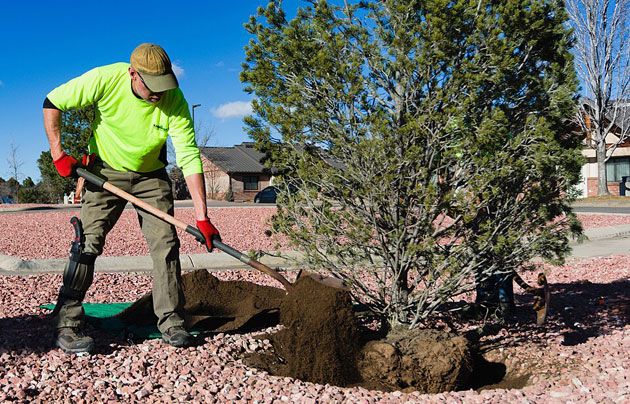
Grass competes directly in terms of nutrients. Cut off a piece of grass not less than 12 inches in width upon each side of the hedge.
4. Protect from Animals
The development of young shrubs may be retarded by rabbits, deer, or domestic animals chewing on them.
Use:
- Netting
- Temporary fencing
- Repellent sprays
This will avert destruction during the establishment phase.
5. Plant during the Best Seasons
To get the best results, you would plant your hedge in:
- Early spring or
- Early fall
The summer heat retards roots and cold in winter halts all growth.
What Results Can You Expect?
Normal planting methods may require 2-3 years before the hedges appear full. When the roots of the plants are pruned and spaced well, the watering is done systematically, and the shrubs are trimmed:
- Visible growth in weeks
- Considerable thickening in 3 months.
- Good-looking, solid hedge line in 12-18 months.
- Quicker privacy than neighbors that planted the same species
Final Thoughts: Grow a Hedge the Fast, Smart Way
Majority believe that the key to fast growth of a hedge is on the plant species. There are those who believe that it is a matter of watering or fertilization. However, there is a true secret, but it is buried in the ground. Unless the roots get up and grow, the hedge will not grow–however much you do to the soil.

Before planting, it is good to unlock the root system of every shrub, before it starts growing. Smart spacing, good soil, deep watering, and strategic pruning will have the effect of making your hedge grow quicker than you can imagine.
Looking to completely fill in within the shortest amount of time, appear professional, and make your property look different?
Plant smart, wake up the roots, and nature will do the rest.