
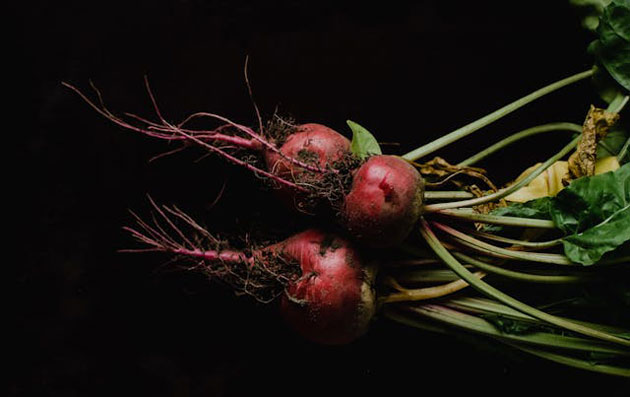
Beets are one of the most rewarding vegetables you can grow. You can add rich, full color to your dishes, which are packed full of nutrients, including fiber, folate, and potassium.
Home gardening and organic living are on the rise, but for the beginning organic gardener and natural living enthusiast, there is a lot of information to sort through. If you’ve been looking for a fast, easy way on how to grow beets at home, I’m going to demystify the process for you from “root” to “top” using organic and sustainable gardening practices.
Understanding Beets and Beetroots
First of all, beet is the word in American English, and beetroot is the word in British English. Whatever name it goes by, this vegetable has been cultivated for hundreds of years for its sweet, earthy flavor and its medicinal virtues.
You could roast beets, drink the juice, pickle them in red wine vinegar, or just eat them raw. It’s also one of the few vegetables you can buy with roots and leaves that are edible.
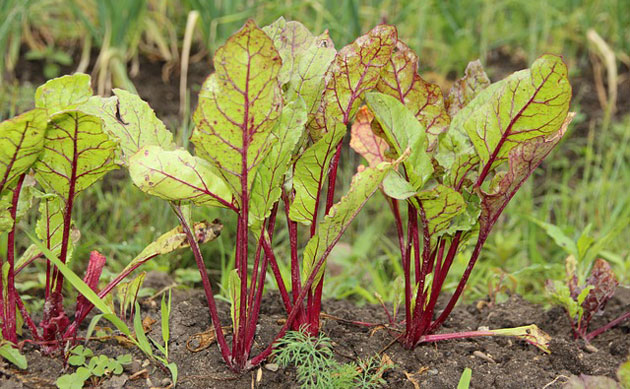
You may notice that beet looks similar to Swiss chard, and that’s because they are. Both are varieties of Beta vulgaris, but while chard is eaten for its leaves, beets are eaten for their roots. You’ll need the right kind. The following selections are some of the superior beetroot varieties for North American gardens:
- Ruby Queen: With dark reddish color, sweet flavor, and globe shaped beets.
- Chioggia: An Italian variety with brightly colored red and white rings.
- Detroit Dark Red: Deep, dark color and flavor, it is easy to see why it has been such a favorite of generations. It is also fast-growing and doesn’t take up too much space, so ideal for raised beds or even big pots.
How to Grow Beets – Choosing the Right Spot
In making a decision of where to grow beets, you should understand what factors offer good and healthy root growth. This root crop does well in full sun and soil that is light and fertile, plus well-draining.
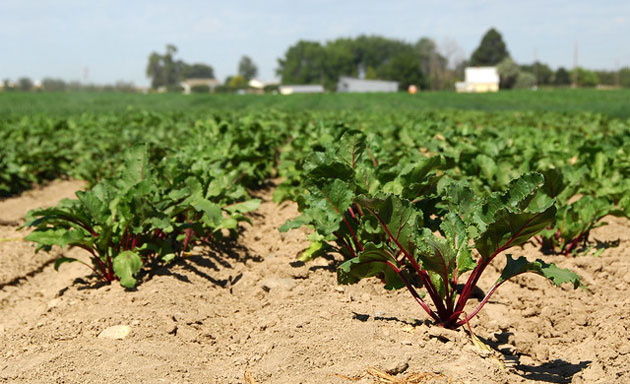
Important things to consider:
- Sunlight: Look for at least 6-8 hours of direct sun a day. Over-shading can lead to plants that are stunted and spindly.
- Soil Needs: This plant needs perfect soil, generally well-drained loamy or sandy soil. Do not plant in heavy, clay, or firm soils as this will inhibit root formation and produce beets that are twisted and stunted.
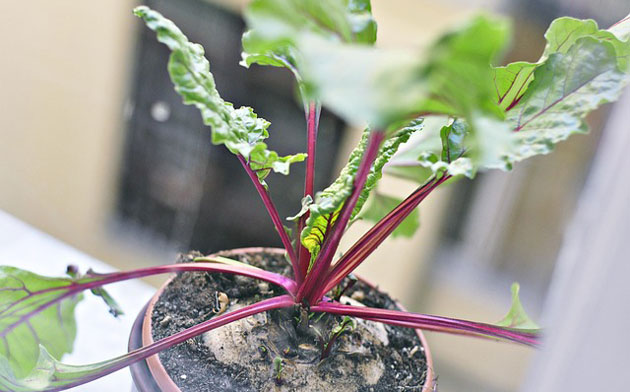
- Depth of Soil: Whether you grow in a garden or container, get 20-25cm (8-10″) of soil depth to ensure sound roots.
- Raised Beds/Containers: They are ideal for poor-soil areas as well as for limited space. Use containers that drain well with many holes, and that are deep enough to allow the roots room to grow.
- Crop Rotation: Do not plant where spinach and chard grew before, or in close proximity, since it is also in the same family and has the same nutrient requirements.
Soil Preparation and Organic Enrichment
Healthy beets start with healthy soil. Try to achieve slightly acidic to neutral pH soil ranging from 6.0 to 7.5. You can purchase a basic soil testing kit to test for this before planting.
How to prepare your soil the natural way:
- Loosen up the soil and stones and the roots will not be restricted.
- Incorporate compost or well-rotted manure to provide the soil with nutrients.
- Add in a handful of wood ashes or seaweed meal for potassium and other trace minerals.
Do not use artificial fertilizers as they can leave chemical residues in the soil and affect root development. Keep to all-natural compost, worm castings (which you can make yourself), or organic slow-release nutrients such as bone meal or comfrey tea.
Sowing Organic Beetroot Seeds
Beet is a cool-weather crop. Generally, March to September is the sowing period in North America, while March to July is the sowing period in the UK; however, you can also sow a second crop (late summer) to harvest in the autumn.
Sowing steps:
- Rake your soil to crumb structure.
- Create shallow trenches 1-2 cm deep.
- Sow seeds at a distance of 10-15 cm (4-6 inches) from each other and row spacing of 30 cm (12 inches).
- Dust with a little soil and spray lightly with water.
The beet seeds are in clusters, so you will have many seedlings in one hole. Normally, germination takes place within 5-10 days. To get a head start (before sowing), place seeds in water (up to 12 hours) to hasten the germination process.
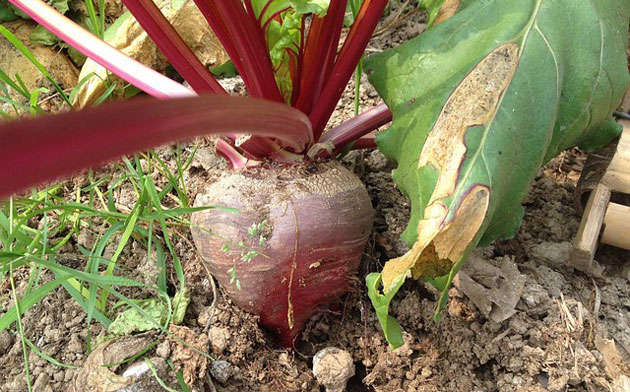
Watering and Mulching Techniques
Beetroot needs a good supply of water, especially during the early stages of root growth. Once or twice a week, water deeply, according to the weather. During hot, dry weather, you will probably have to water more frequently.
Unpredictable watering may cause beetroot to crack or become woody. And that is where mulching enters:
- Apply organic mulch, including straw, shredded leaves, or untreated grass clippings.
- Mulch may be useful in water conservation, soil temperature regulation, and suppression of weeds.
- The leaves should be kept as dry as possible to avoid water spots, which will provoke some fungal problems.
To water specifically, a simple drip hose is best, or when watering manually, a watering can with a small spigot is best.
Natural Pest Control and Companion Planting
Beetroot is fairly hardy, but there are pests that affect it. Be aware of:
- Leaf miners: They make white lines in the leaves.
- Aphids: Suck leaf juices, are found on the underside of leaves and slow plant growth.
Before you resort to the chemicals, see if these natural repellents work for you:
- Neem oil spray: This is a powerful, naturally occurring insect repellent.
- Garlic and chili spray: Fiery and homemade.
- Netting or fleece: Flies will not lay their eggs on the leaves.
Companion planting is also worth a try. Plant beets with:
- Onions: Prevents pests due to odor.
- Bush beans: Help to enhance nitrogen in the soil.
- Lettuce: A plant that has fast growth and uses your space well.
Thinning and Caring for Young Plants
Other requirements to grow healthy beets include thinning, such as that each and every beet seed is a clump. Failure to thin could result in your plants being crowded (with small or deformed roots and poor air circulation, diseases will be encouraged).
So here is how to make those baby beets happy:
- When to thin: Thin out seedlings when they reach a height of 5-7 cm/2-2.7 inches.
- Thinning out: Gently remove smaller or weaker shoots of every cluster and allow the strongest to develop.
- Spacing: Aim to space the plants 10-15 cm (4-6 inches) apart; this will enable its roots to grow and develop.
- Re-Use thinning: Do not throw them away! The young beet greens are best in salads and smoothies.
Continued care tips:
- Weed control: Make sure the growing medium is free of weeds and thus there is no competition over nutrients.
- Avoid root disturbance: This also has to do with tender things that have just been planted; refrain from stressing them while they are young, etc.
- Mulch: Plants benefit from light mulch to reduce moisture loss and weeds.
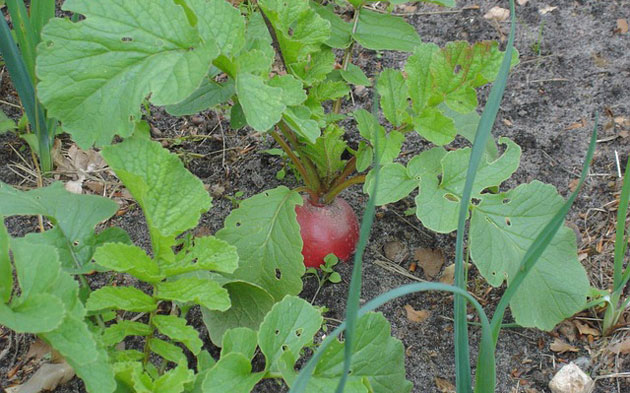
When and How to Harvest Beetroots
Beetroot can be cropped from 8 to 12 weeks after sowing. The trick: Observe the size of the root as it meets the soil surface. There is no perfect size, but try to aim for 5-7 (or more) cm/2-2.7 inches in diameter (roughly a size of a golf ball/tennis ball). The smaller roots will be sweeter and tenderer.
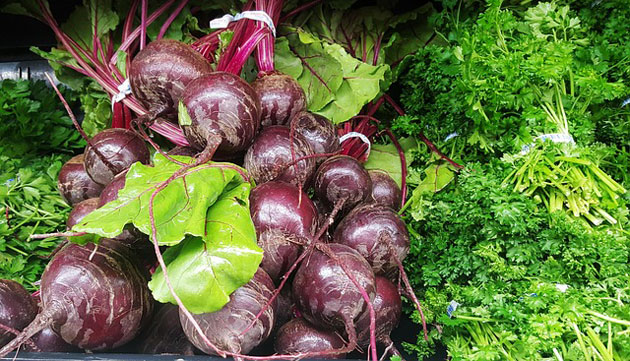
However, there is more. This is how to make the most of your beet harvest.
- The roots ought to be sound and standing out above the ground.
- Loosen the soil around the root very carefully with a hand fork.
- Grab the bottom of the stem and give it a pull. Don’t yank or you’ll pull the roots apart.
- Cut the leaves 4-5 cm from the root. Don’t twist.
For storage:
- What comes out of the ground, (or the root cellar), DO NOT WASH, until you use them.
- Transfer beet pesto to an airtight container and refrigerate until ready to use, up to 12 hours or freeze in a cool, dark place for up to 3 months.
- Pickle or freeze to use later. You also are able to make this juice at home a hundred times better than that sourced at the store. If you get it right, the crops taste so much better than those coming from the store.
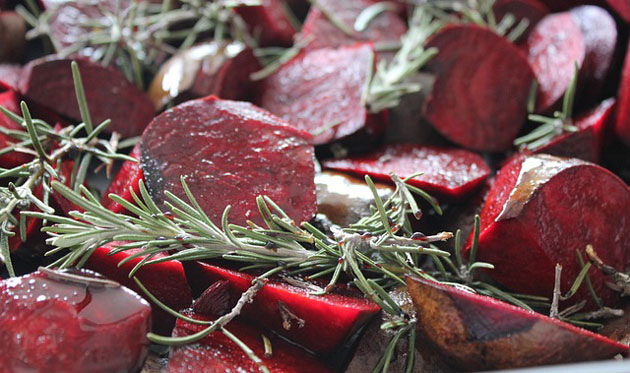
Organic Uses for Beet Leaves
Beet leaves (also called beet greens) are pure nutrition gold. They contain more iron than spinach and are high in vitamins A, C, and K.
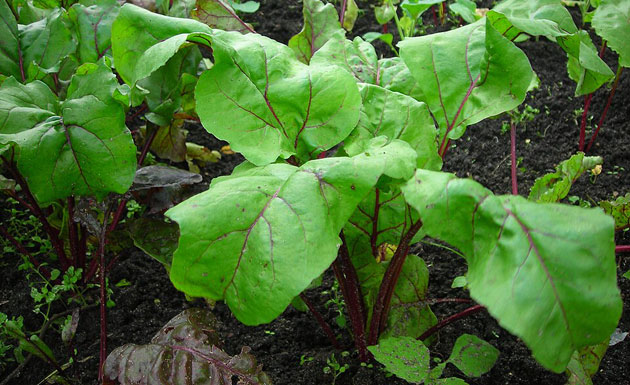
Ways to use beet greens:
- Saute with garlic and oil.
- Add fresh to salads.
- Mix in smoothies or soups.
No waste here – leaves go to a better cause, helping you to live a greener, more sustainable gardening life.
Bottom Line
Growing beets/beetroot is one of the easiest and most rewarding things to grow organically at home. From soil to plate, every step offers a chance to reacquaint ourselves with nature and eat better food.
In applying the principles of these organic gardening methods, your reward is not only vegetables and fruits of far better taste – but also that your topsoil benefits, as does the environment around you.
Happy gardening!


