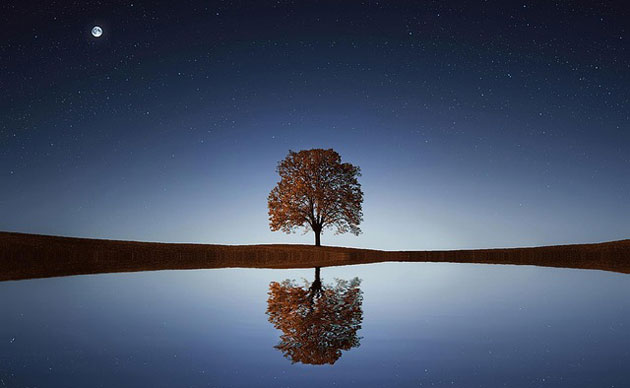
A moon garden is an aesthetic, boho-style niche garden that uses white flowers and silver foliage to shimmer and glow under moonlight. This kind of garden is designed to come alive at night, and will often feature special kinds of plants that give off scents in the night to elevate the senses and create a magical experience for the person who happens to be there.
Growing a moon garden takes time and cannot be rushed. To create a nice moon garden, you have to plan for aspects like the height, color, texture, and how plants will look and smell when the sun goes down and the moon comes up. Read on to find out how to grow a moon garden.
Planning Your Moon Garden
Before planting anything, devise your plan. A well designed moon garden is not random, but crafted out with purpose by human hands. Start by choosing the right location. The ideal spot is one that gets some moonlight, but even if it doesn’t get much, reflective plants can work too.
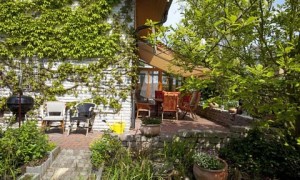
Near a window, patio, or window is best, because you can then enjoy it from the comfort of a chair. What you want is clear paths, and defined areas with plants of different heights.
Think in Layers
A successful moon garden uses layers of differing heights. This gives the visual impact of depth and balance to a person viewing it. To accomplish this layered visual effect, break your garden into 3 main layers.
- Back layer (tall plants): This creates a backdrop or “wallpaper”. This layer adds height and helps frame up the space.
- Middle layer (medium height plants): These plants fill out the center and create body.
- Front layer (short plants): These soften the edges and guide the eyes.
By building your moon garden in this manner, you avoid a flat look and you make it feel alive and more natural.
Choosing the Plants to Grow a Moon Garden
Choosing the right plants is the most important step of your moon garden project. You need plants that reflect the moonlight, look soft, and could also glow in the dark, or emit some fragrance. Focus on light or pale colored plants that will stand out at night, whilst creating a dreamy effect.
Tall Plants (Back layer)
These tall plants form the back structure of your moon garden, drawing your eyes upward and framing the garden.
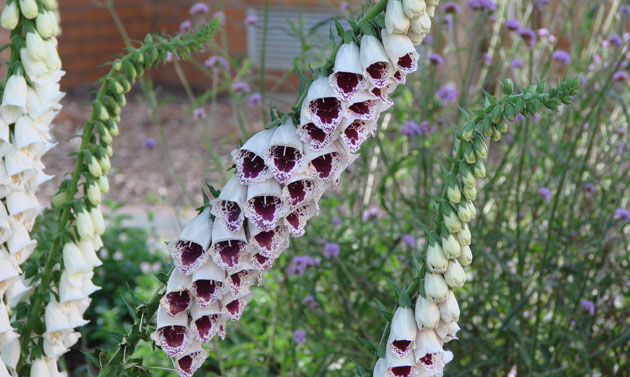
- White foxglove: Tall spikes of soft white flowers that stand out beautifully.
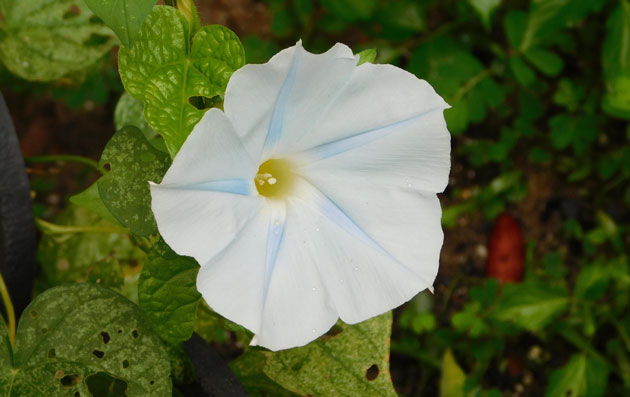
- Moonflower (Ipomoea alba): Large white blooms that open at night.
- White hollyhocks: Classic tall flowers that add height and elegance.
- Angel’s trumpet: Hanging, trumpet-shaped flowers with a strong evening scent.
Medium Height Plants (Middle layer)
These plants fill in for the center and add texture to the garden, creating the main visual “body” of the plot.
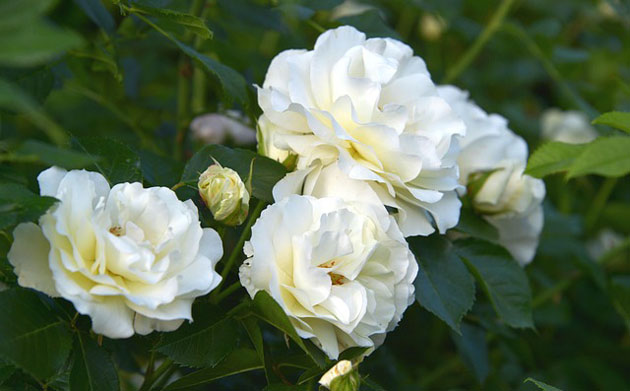
- White roses: Timeless and softly reflective under moonlight.
- Garden phlox (white varieties): Adds fullness and gentle fragrance.
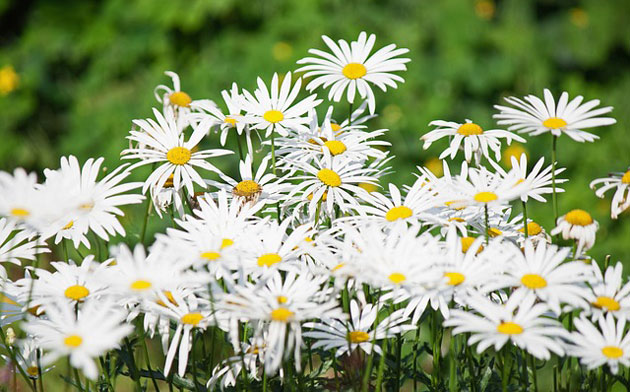
- Shasta daisies: Bright white petals that glow even in dim light.
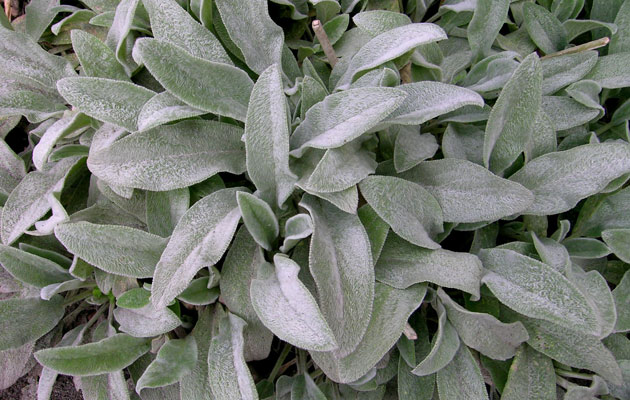
- Dusty miller: Silvery leaves that reflect light beautifully.
Low plants (Front layer)
These are the plants that define the edges, soften the look, and give the garden a welcoming vibe.
- Sweet alyssum (white): Low-growing and fragrant.
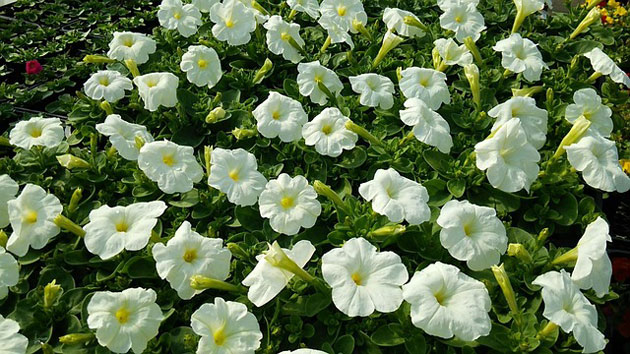
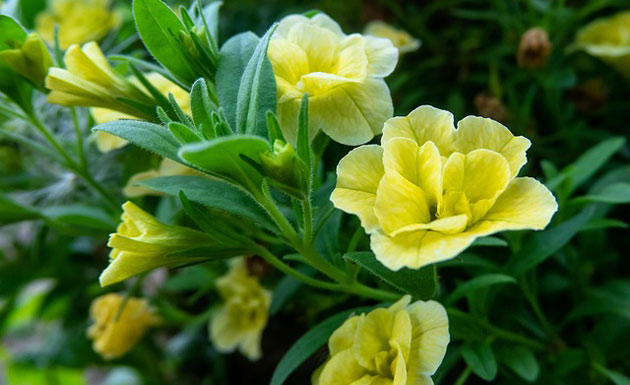
- White petunias: Simple, soft blooms that spread nicely.
- Lamb’s ear: Silvery, fuzzy leaves that catch moonlight.
- Creeping thyme (light varieties): Adds texture along pathways.
Adding Night Fragrance
A true moon garden will not just look good; it will engage your senses, including your olfactory senses. Night blooming and fragrant plants can make a lot of difference to the “feel” of your moon garden. Some good choices include:
- Night-blooming jasmine: Strong scent that fills the air after sunset.
- Evening primrose: Opens at dusk and has a soft fragrance.
- Nicotiana (flowering tobacco): Delicate flowers with a sweet scent.
- Moonflower: Not just beautiful, but also lightly fragrant.
These plants can be placed near the walkways/paths and the seating areas. As you move through the moon garden, you can enjoy their scent.
Designing the Layout
Let’s go through the layout in more detail. Once you have your plants ready, it is time to design the layout.
Start by placing the tallest plants at the back row, or in the center if your moon garden is round. Then plant the center with the medium height plants, and then line the edges with the low height plants.
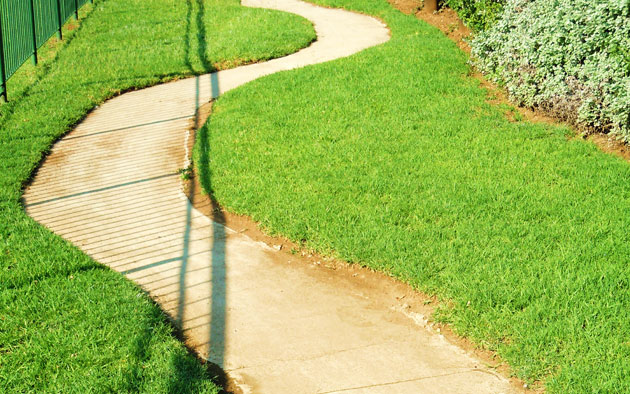
In every moon garden, the path is important. A simple stone or gravel path can guide the visitor through it and reflect the light at the same time, making everything brighter at night.
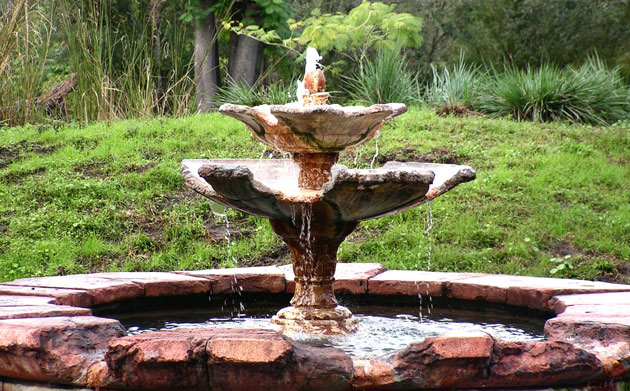
Consider adding a focal point to your moon garden. This could be a bench, a fountain, or a small white statue. A focal point gives the garden a center, and draws attention to it.
Using Light and Reflection
You can enhance the effect of your moon garden’s natural light. Use materials that reflect light. Pale colored stones or gravel, and light colored garden accessories or furniture all help brighten up the space.
You can also add a little soft artificial lighting of your own, but keep it subtle. Solar lights or low garden lights can work, but the goal is not to overpower the moonlight, rather to support it.
Besides supplemental lighting, water features can also reflect light. A small pond and fountain can add movement or a soft glow to your moon garden.
Soil and Preparation
Before planting, prepare your soil thoroughly. The maxim is healthy soil leads to strong plants. Start by clearing the planting bed of weeds and debris. Then, loosen the soil and mix in some compost. This improves drainage while adding nutrients.
Different plants have different needs. However, most of the plants grown in moon gardens prefer well-drained soil. Make sure the soil is not waterlogged though at any time. If your soil is poor, consider raised beds. They give you more control and make it easier to build layers.
Planting Your Garden
As explained earlier, planting should follow your layered plan. Begin with the tall plants. Space them adequately so that they have room to grow. Then move to the middle layer, and fill those gaps with the middle plants. Finally, add the low plants along the edges and paths.
Leave adequate space and don’t overcrowd the plants. It may look sparse at first, but those spaces fill up over time. And a crowded garden will look messy once it has matured. Water the plants well after planting. This helps them settle in into the soil.
Moon Garden Care
Just like any other garden, a moon garden requires regular care.
- Water your plants based on their needs. During hot weather, some of these plants will need more water.
- Remove dead flowers/leaves. This keeps the garden looking fresh and encourages new growth.
- Prune plants to maintain their shape and balance. This is important for any garden that relies on layers and structure to look good.
- Fertilize when needed, but don’t overdo it. Too much fertilizer can harm plants.
Patience is the Key
A moon garden grows slowly over time, so don’t expect perfection overnight. In the first year, your garden may look simple and mediocre, and this is normal. As plants grow and fill up the space, the layers become more visible, and that space becomes richer and more complete.
Each year, you can adjust and improve your garden bit by bit. Add new plants, change the layout, or experiment with different layouts and textures. Usually, a moon garden takes about 3 years to mature.
A few locations in the US where you can view a public moon garden include the San Francisco Botanical Garden in San Francisco, the Edison and Ford Winter Estates in Florida, and the Sonnenberg Gardens in New York.
Final Thoughts
Growing a moon garden is a rewarding process that teaches patience, creativity, and attention to detail. By using layers of different heights and selecting the right plants, you can create a space in your garden that feels calm and looks beautiful at night.
With time, your garden will become a place where light, scent, and nature come together. A quiet space that shines softly under the moon, just as you planned.