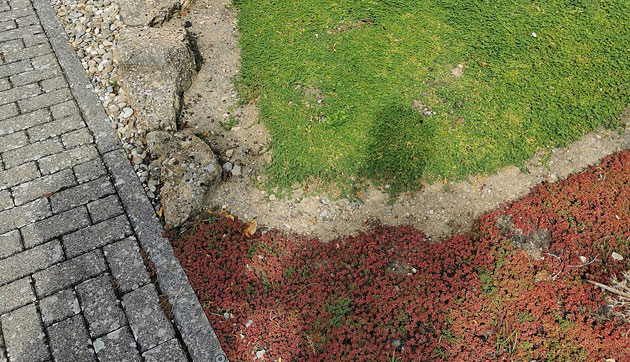
For landscaping or general gardening, ground covers are one of the most useful tools in the gardener’s toolbox. They spread across the soil surface, limiting weeds and protecting the soil, while adding to the aesthetics of the place. Be it replacing patchy looking grass, preventing soil erosion, or just creating a lusher appearance, growing ground covers is the solution. The following explains the guidelines for growing ground covers so you can grow them with success.
What are Ground Covers?
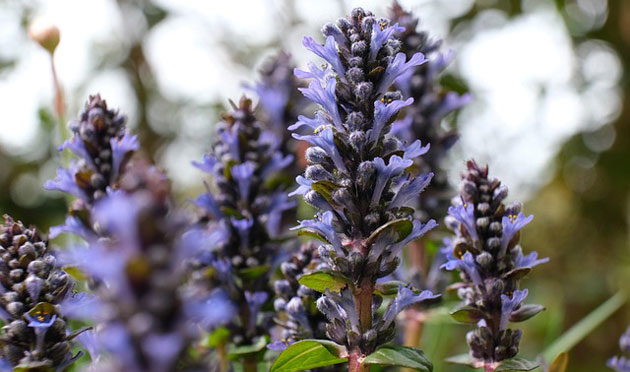
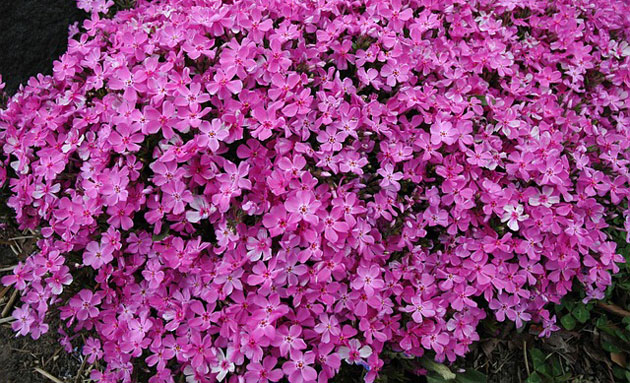
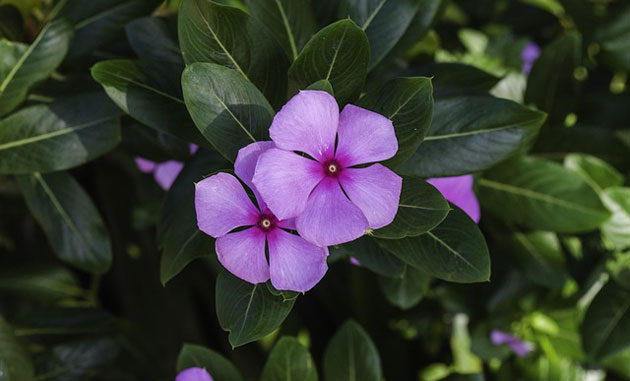
First off, what are ground covers? They are simply low stature plants that grow outwards with a spreading habit instead of upward; so even grass is a type of ground cover. But commonly grown ground covers include creeping thyme, creeping phlox, ivy, sedum, periwinkle, bugleweed, various beans, and ornamental grasses.
What are ground covers used for in gardening?
- Replacing traditional lawns
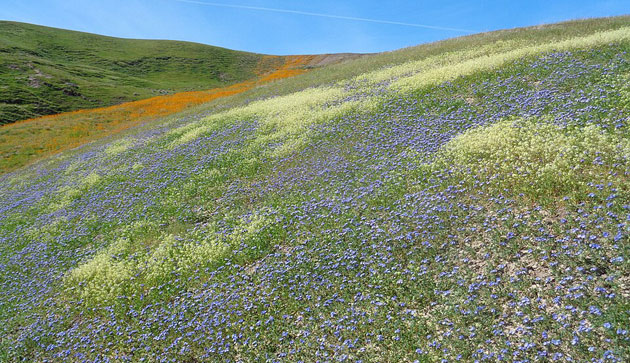
- Limiting soil erosion, especially on slopes
- Limiting weeds
- Enhancing visual aesthetics
- Reducing watering and maintenance needs
Why Need Guidelines for Growing Ground Covers?
Ground covers may seem easy to grow, but poor spacing, incorrect watering, and poor conditions, etc. will result in patchy/ugly growth. Following a set of guidelines ensures your ground covers establish strong root systems, quickly grow to cover up the ground, and reduce your maintenance tasks on them while preventing invasive weeds from coming in.
Choosing the Right Ground Cover
It goes without saying that choosing the right plants as your ground cover is one of the most important steps you’ll take. It’s important to pick a ground cover that thrives in your particular location.
Understand Sunlight Requirements
Some ground covers like the full sun, while others prefer shade, so match your ground cover to the amount of sun the planting spot gets.
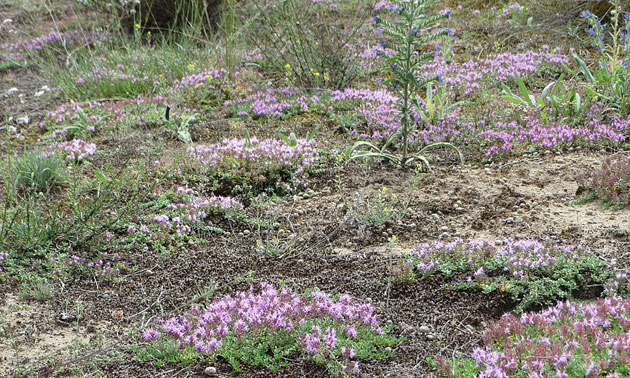
- Full sun areas: Creeping thyme, creeping phlox, sedum, and ice plant thrive in sunny areas.
- Partial shade: Bugleweed and certain ornamental grasses prefer some shade.
- Deep shade: English ivy and periwinkle perform well in shaded areas.
Understand Climate and Hardiness Zones
Refer to your USDA hardiness zones and stick to ground covers that suit your climate zone. However, plants that tolerate cold winters or hot summers tend to establish faster and live for longer.
Understand Growth Speed
Some ground covers spread rapidly and soon cover the ground. But the downside is that you will soon need to curb their growth. Other ground covers grow slowly and don’t need much or regular maintenance. So choose your ground cover plant based on quickly you want results and ask yourself how willing are you to do regular maintenance, if need be.
Preparing Your Soil
Healthy soil is one of the keys to make all plants thrive, not just ground covers. Preparing your soil before planting helps your plants establish sooner, grow more evenly, and stay healthy long term. So how do you prep your soil?
- Remove weeds first. Weeds compete for nutrients and water with your plants. Remove their roots to prevent new regrowth of the weeds. Once the ground cover has covered the ground sufficiently, further new weeds will be suppressed.
- Improve the soil structure. Loosen up the soil at a depth of 6 – 8 inches; this will improve drainage and airflow. Add in compost if the soil is too sterile or compact, to improve its moisture balance.
- Check soil drainage. Wet soil will cause root rot.
- Adjust the soil pH if necessary. Some plants do better if the soil is acidic. Others do better in alkaline soil. So test your soil pH and adjust it by adding either peat moss for greater acidity or more agricultural lime for more alkalinity.
Proper Planting Techniques
The correct planting techniques will help ground cover plants to establish themselves more quickly and spread evenly. Below are some tips on proper planting:
- Space plants carefully. Closer spacing causes quicker coverage, while wider spacing slows down coverage. Avoid crowded conditions to enable healthy airflow and prevent disease.
- Plant saplings at the correct depth. If the saplings came from containers, plant them at the same depth as they were growing in their containers.
- Water after planting. After you’re done with planting, water thoroughly to settle the plants in the soil, remove air pockets, and give root development a nudge.
Watering Guidelines
Although watering needs differ from type of plant to climate or soil conditions, most ground cover plants have similar patterns. The watering guidelines are:
- During the establishment period, water regularly especially in dry weather, as the plants need consistent moisture while their roots develop.
- After the ground covers mature, many become drought tolerant. Therefore, reduce watering gradually to allow the soil to dry slightly between each watering session.
- Never overwater, as this will cause root rot. Before you water, always check on the soil moisture first.
Mulching
Mulching is always a no brainer essential gardening task. It helps improve growing conditions for all plants, by retaining moisture, limiting weed growth, regulating better the temperature, and protecting young plants. Spread a thin layer of mulch between the plants, but avoid placing mulch against plant stems as trapped moisture can promote root rot. Once your ground covers spread out, their need for mulch naturally decreases.
Fertilization
Most ground cover plants need minimal feeding, unless your soil is extremely poor. The only time you may need to fertilize is during the establishment and growing phase (usually in spring). Avoid fertilizing near winter, as it may encourage new tender growth before winter. Use a balanced and slow release fertilizer for feeding; just don’t overfeed.
Pruning and Maintenance
Even low maintenance plants need the occasional care, and this certainly applies to ground covers. Some ground covers are aggressive though, and need regular trimming. To prune, remove dead or damaged foliage and deploy edging or barriers to curb certain plants from spreading.
Managing Weeds
Ground covers will suppress weeds once established, but it’s important to control those weeds early on. Remove any weeds you spot early on by pulling them out. Once your ground cover plants spread out, they will impede any new weeds from establishing.
Dealing with Pests and Disease
Ground covers are mostly hardy, but that doesn’t mean problems won’t arise from time to time. Common issues include poor airflow, root rot, and predation from pests. Avoid overcrowding, water at soil level, and regular inspection for pests can prevent problems from happening or spreading.
Plant Care According to Season
- Spring: Fertilize if needed, and trim overcrowded plants
- Summer: Monitor for pests and maintain moisture levels
- Fall: Remove debris and start preparing for colder weather
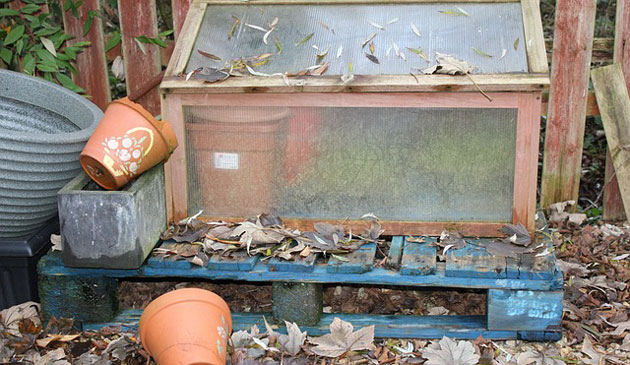
- Winter: Protect sensitive plants in the cold climate by transferring them to a greenhouse or cold frame if possible, or cover them at least.
Using Ground Covers in Landscaping
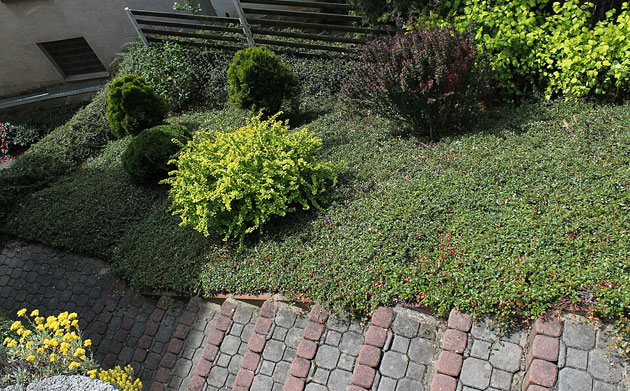
As we know by now, ground covers have many functions, and one of them is enhancing your garden’s visual aesthetics. Borders for pathways and rock gardens, basic soil protection, slope protection, and lawn replacement are some of the uses for ground covers. Mixing textures and colors further adds visual interest. With proper planning, care, and maintenance, ground covers can create an attractive landscape that stays healthy for years.
Common Mistakes to Avoid in Growing Ground Covers
Some of the common mistakes to avoid when growing ground covers are:
- Choosing the wrong plant for the current light conditions
- Not preparing the soil before planting
- Watering too much/frequently
- Ignoring the growth habits of the plants
- Not removing all the weeds before planting
Final Thoughts
By following the simple guidelines for growing ground covers above, you can be assured of healthy plants that thrive for years without too much effort. Proper plant selection, soil preparation, watering, and maintenance all play a part in growing ground covers successfully.
Whether you wish to fill up an empty space, control weeds, or create a lush garden surface, ground covers offer a practical answer, rewarding you with a dense, vibrant carpet that helps turn your garden into a healthy landscape for a long time to come.