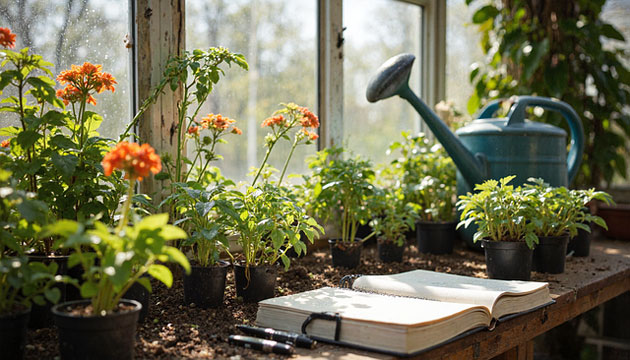
Small space winter gardening. You might have heard of it, but have you considered that it’s not just a passing trend driven by aesthetic or entertainment appeal, but rather an adaptation borne out of rising food costs, diminished seasonal availability of locally grown food, limited urban space, and growing interest in self-sufficiency?
Research has demonstrated that if you do it right, growing food indoors during the winter months enhances the quality and availability of your diet, regardless if you do it in a small apartment or home. Successful indoor winter gardening will require an understanding of how plants work and how different microclimates function within an indoor environment; as well as how to most efficiently utilize available resources. Let’s examine the elements of successful indoor winter gardening below.
Why Winter Indoor Gardening Works in Small Spaces
Plants do not require outdoor conditions to grow. They require five inputs:
- Light
- Water
- Nutrients
- Carbon dioxide
- Suitable temperature range
The indoor gardener needs to substitute outdoor elements with their own controlled indoor system. But generally speaking, winter is less challenging a time than summer for indoor growing, due to the relatively stable temperatures, lower pest pressure, more predictable water transpiration rate, and the ability to control the lighting duration artificially.
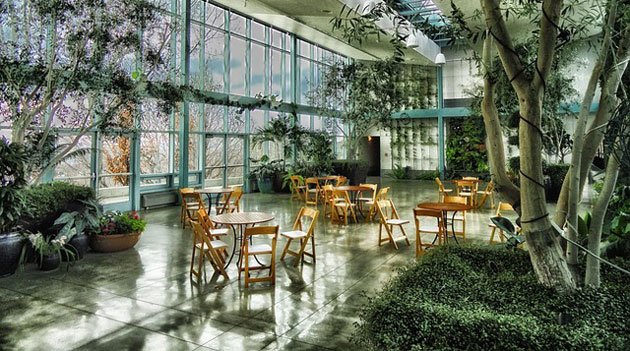
University-based studies have shown that leafy greens and herbs grown indoors utilizing artificial light sources can mature 10-25% quicker than those grown in outdoor greenhouses receiving daylight during the winter.
Realistic Crop Selection Based on Plant Physiology
Small space winter gardening has the best chances of success when the types of plants to be grown indoors are carefully selected. There are 3 categories of plants that can be grown indoors: low-light tolerant crops, moderate-light compact crops, and high-efficiency short-cycle crops.
Low-light tolerant crops; these are able to grow at lower light intensity than some of the other crop options available.
- Leaf lettuce varieties
- Spinach
- Arugula
- Mustard greens
- Baby kale
- Swiss chard (young leaves)
Moderate-light compact crops. These crops need higher light levels than low-light crops but still use less space than moderate-light crops.
High-efficiency short-cycle crops. High efficiency short cycle crops are grown until the crop is ready to be harvested; after harvest, the remaining portion of the crop is removed from the growing space before it needs additional time to continue to grow.
- Microgreens (broccoli, radish, pea, sunflower)
- Wheatgrass
- Garlic greens
Examples of crops that do NOT grow too well in indoor settings during the winter months are tomatoes, peppers, cucumbers, squash, and root crops. They require high light levels, sufficient soil depth, and adequate air movement around them.
Light Requirements Based on Measured Plant Needs
Most indoor spaces have lower light levels than what most gardeners assume, which is especially true during the winter months. In scientific terms, useful light is measured as Photosynthetic Photon Flux Density or PPFD.
Typical winter light levels through windows are as follows:
- South-facing window: 100-300 PPFD for short periods
- East or west facing window: 50-150 PPFD
- North-facing window: 50 PPFD or less
Some minimum values for different types of plants are as follows:
- Leafy greens: 100–200 PPFD
- Herbs: 150–300 PPFD
- Microgreens: 75–150 PPFD
Since most areas indoors will receive reduced hours of daily sunlight (often 8-10 hours), you will need to provide additional lighting for your plants. A recommended indoor lighting plan is using full spectrum LED grow lights, 12-16 hours of light per day, lights that are positioned 6-12 inches above the plant canopy, and use of timers for lighting consistency. What we know is that the duration of lighting is far more important than the intensity of the lighting, for leafy crops indoors.
Temperature Control and Metabolic Efficiency
Plant metabolic function slows down significantly when temperatures are above 80°F/26.67°C and below 55°F/12.77°C. Optimal temperature ranges for growing indoors in the winter:
- Days: 65–75°F
- Nights: 55–65°F
Are there problems caused by poor temperature control? Yes, there are.
- Near windows: cold stress, slow growth
- Near heaters: dehydrated leaves, nutrient imbalances
- Near exterior doors: temperature shock
Stable control of temperature will improve plant nutrient uptake and lessen the risks of disease.
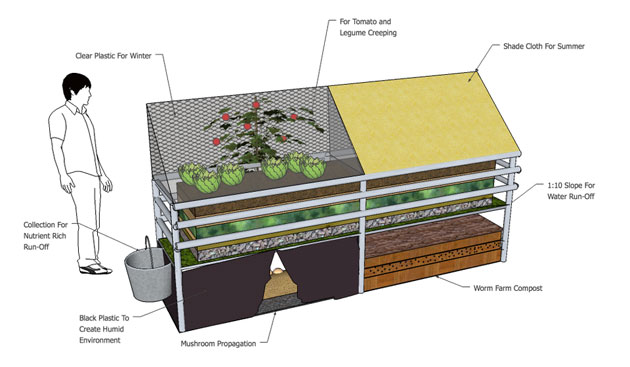
Humidity and Transpiration Balance
Heating systems typically reduce indoor humidity to 30% or lower; most edible plants perform best between 40-60% relative humidity. The effects of low humidity typically manifest as brown edges on leaves, slowed down growth, or an increased risk of spider mites. Some simple ways to manage humidity for your plants:
- Group plants together
- Leave open water trays near the plants
- Occasionally mist the herb plants
- Use a small room humidifier if you have multiple trays
Studies have shown that leaf mass yields of green vegetables increase by up to 15% if the humidity is maintained at a consistent level.
Soil, Containers, and Root Health
The health of your plant roots determines more than anything else, whether they thrive or fail when grown indoors. Thus, the containers are important
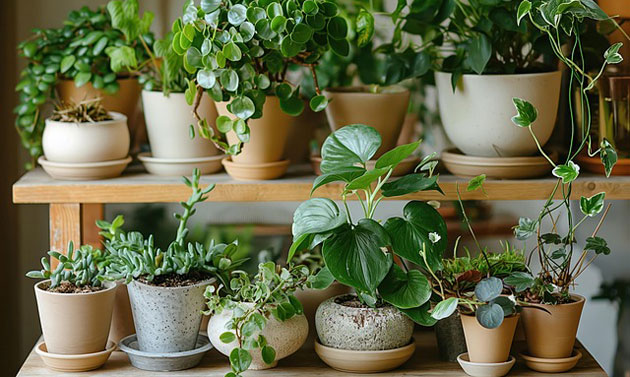
Some container guidelines include:
- Minimum depth for greens: 4–6 inches
- Herbs: 6–8 inches
- Containers must have drainage holes
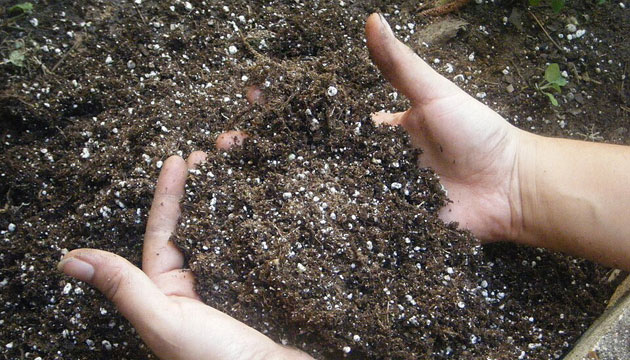
For the potting soil mixture to be used in the container, choose one that has lightweight material, high in organic content, has good drainage, and is sterile or pasteurized. Outside garden soil is not suitable because they are compact and have poor air circulation to the roots. A potting mix will have good aeration and reduced potential to breed fungi and disease.
Watering Strategy Based on Winter Growth Rates
Obviously, indoor plants grow slower and require less water during winter. Always water based on the condition of the soil and not on a set schedule. Don’t let the water pool in the trays, and avoid using the icy cold water from the taps during winter.
It’s best to first check the surface soil layer, and water till you see some excess water draining out below. Always use water that is at room temperature, and decrease your watering by some 30-50% compared to how much you water during the warmer months. Overwatering is one of the main reasons why indoor plants fail during winter.
Nutrient Management without Overfeeding
Since indoor plants grow slower, thus needing fewer nutrients, some best practices for feeding include diluting liquid fertilizer to half strength, feeding only every 3-4 weeks, and avoiding feeding altogether for new seedlings. Signs that you’re overfeeding include leaf tips looking burnt, whitish salt buildup on the soil surface, and/or sudden leaf flushing. Instead of improving yield, excess fertilization only leads to a poorer flavor in herbs.
Space Optimization
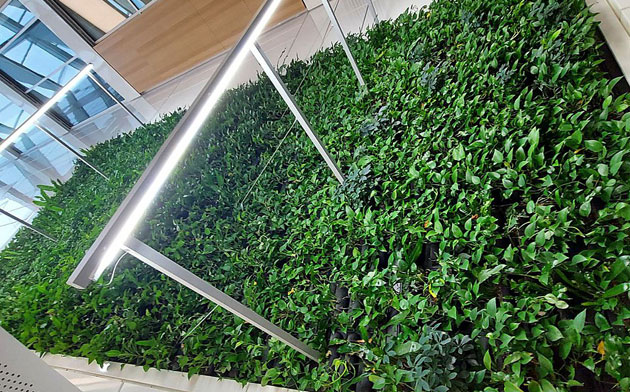
Now comes the essential part about space optimization. Using vertical or modular layouts will improve yield quite a bit, compared to the traditional horizontal layout. All in all, dense plantings of crops indoors further maximizes yield without increasing the risks of disease breaking out. Below are some simple considerations for indoor space optimization.
- Vertical shelves with integrated lights on each level can boost the surface area needed for growing more plants indoors.
- Using appropriately sized containers to match the plants we are growing, such as shallow containers for leafy greens and microgreens, and deeper ones only when necessary.
- Using mobile rolling carts and lightweight racks can enable you to move your plants around to optimize their position for the best light uptake, etc.
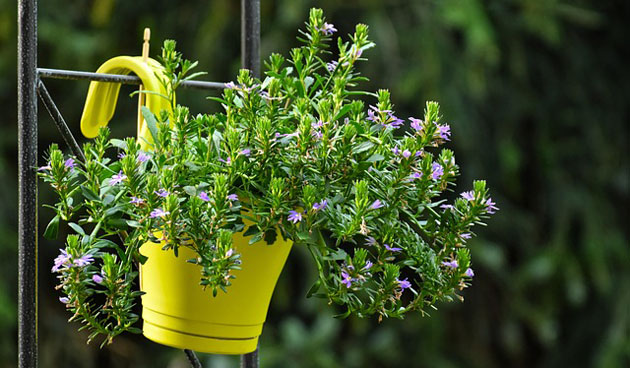
- Wall mounted and hanging planters can also help you to maximize your indoor space.
Common Small Space Winter Gardening Issues and Causes
Slow or leggy growth:
- Not enough light or lighting duration
- Plants being too far from their light sources
Yellow leaves:
- Overwatering
- Inadequate drainage
- Imbalance of nitrogen or its deficiency
Mold/algae on the soil:
- Excess moisture
- Weak airflow
Pest outbreaks:
- Stress affecting the plants
- Poor airflow
Yield Expectations and Practical Outcomes
Small space winter gardening provides consistent but limited yields if you’re growing plants as crops. That said, productivity is best measured by reliability rather than volume – as long as it works for you, carry on.
So what can you expect, practically?
- Leafy greens. With enough light and space, average monthly yields range from 0.5 to 1 pound per square feet. Cut-and-come-again harvesting where you harvest only the mature, outer leaves extends the harvest without the need to replant.
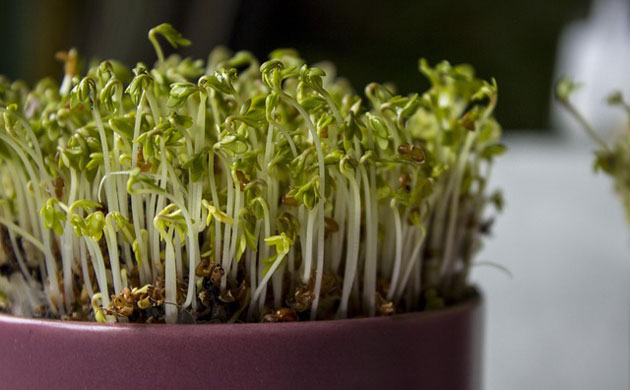
- Microgreens. These give the best yields, typically of 1-2 pounds per square feet within 10-21 days, due to the short cycle time and minimal root requirements.
- With herbs, you get steady harvests rather than bulk yields. Trim the plant leaves regularly for a consistent harvest over several months.
Final Perspective
Success in small space winter gardening is obtained when you approach it in a systematic, controlled manner, rather than a seasonal side hobby. Proper grow light management, correct crop selection, and right feeding and watering have a larger impact on the results, instead of the space size or the quality of the equipment used.
Although they can’t replace outdoor or commercial food sources, your indoor gardening should be able to consistently provide you with fresh greens and herbs during winter. By setting reliable expectations, even small indoor environments can support productive plant growth at minimal costs and maintenance.