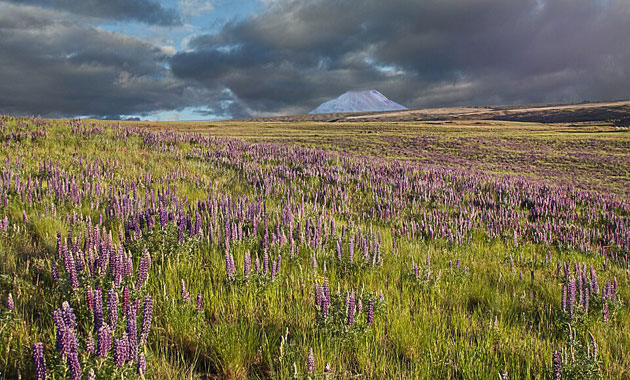
The tallgrass prairies of the US were once vast seas of grass covering as much as 170 million acres, but today, most have vanished with only 1-4% remaining. The little that remains is highly fragmented, mainly surviving in areas ignored by development.
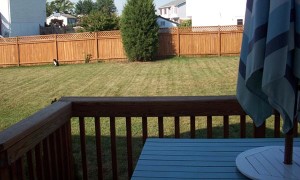
Meanwhile, many lands are covered in planted turf or lawn grass, as much as 40 million acres; your yard probably has lawn grass growing as well. This is the largest irrigated crop in America, but it feeds nothing. This May, why not turn your lawn into a mini meadow?
Why May? For most of the US (Zones 4-8), May is the “Goldilocks” moment, when the soil is warm enough to wake up dormant seeds, while the spring rains are still consistent enough to prevent seedlings from sizzling in the daytime heat. Read on to find out how to turn your sterile lawn into a mini meadow, full of life once more.
The Monarch Butterfly and the Native Bee
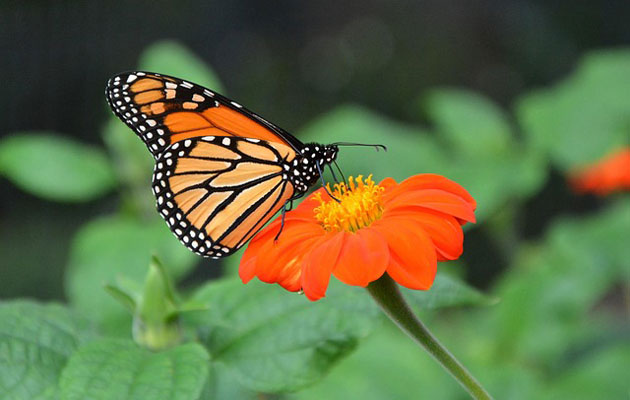
By having a mini meadow in your own yard, you are supporting two iconic life forms of the American tallgrass prairie – The monarch butterfly and native bee. These two groups depend heavily on the tallgrass prairie as feeding and breeding grounds.
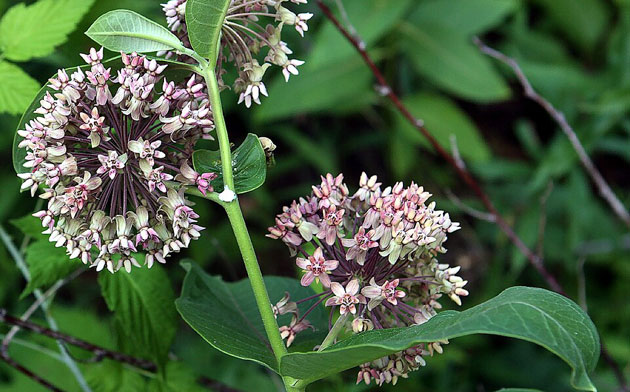
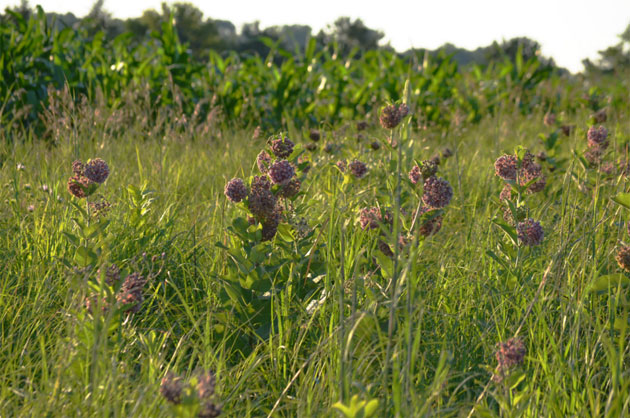
A monarch butterfly migrating thousands of miles south needs a place to land and feed; these are like pit stops to them, and if your yard was a meadow, they can certainly find good use for it. The milkweed (Asclepias), a native of prairieland, is used exclusively by monarch butterflies to lay their eggs on, and their caterpillars feed on the leaves. So all in all, if you grow milkweed, you’re doing your part for these endangered butterflies.
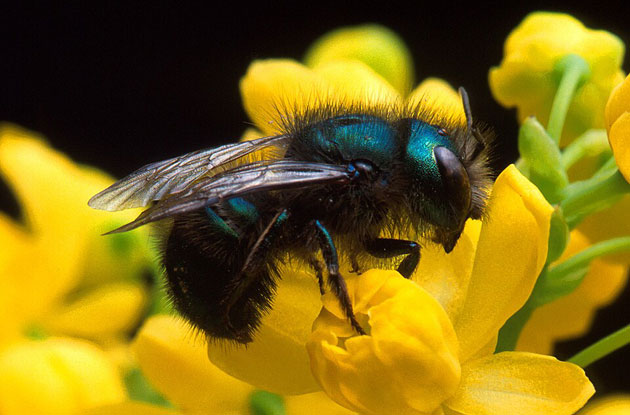
Meanwhile, native bees like the mason and leafcutter bee, are highly efficient pollinators that also need prairie habitat to survive. Researchers have found them to be up to 80 times more effective than honeybees in pollination tasks. These bees don’t want any lawns; they want wilderness habitats with “weeds”. Of course, it helps regular honeybees too.
The Science – Starving the Turf
American homeowners use a whopping 80 million pounds of pesticides a year. Wildflowers hate this. They hate it because native plants have evolved to thrive in poor soils. If you fertilize, you only help the Kentucky bluegrass and the Bermuda grass to grow thickly and choke out any wildflowers in the vicinity.
For a mini meadow that we want prepared as naturally as possible, sheet mulching or plastic sheets can effectively kill grass and impede further weed growth, compared to chemical herbicides, so use them where possible to prepare the mini meadow site.
Getting Started – Three Methods for May
Method One: The homegrown mini meadow is essentially your own homegrown national park. So once the site has been cleared, scatter your seeds on the bare soil. Don’t bury them. Stomp them into the soil but don’t bury them completely; they should still get some sunlight. Don’t worry about damaging the seeds as long as the soil beneath is loose enough; you can even get your kids to do a “seed stomping party”.
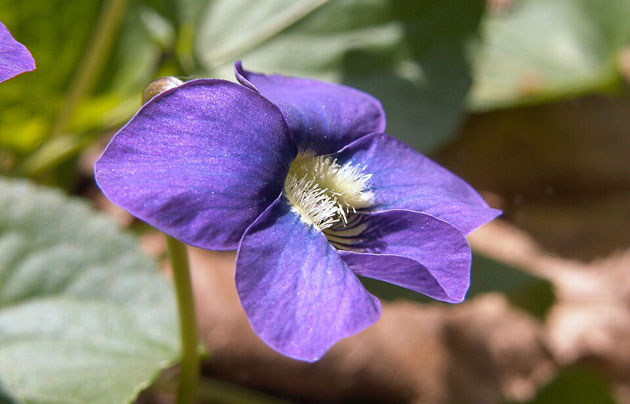
Method Two: For a low maintenance way, adopt the “lazy lawn approach”. What this means is, stop doing anything and see what appears on the abandoned patch of soil. You might see violets or clovers appear – both are vital for early pollinators. In the US, “weeds” like Common Blue Violet are actually host plants for fritillary butterflies, while white clover is a nitrogen-fixer that feeds honeybees.
You could mow a curved path through the tall grass of your mini prairie, or cut a “frame” around the edge to let people know that you are growing a habitat and haven’t abandoned your land. This is a low-barrier entry point, and it’s perfect for the skeptical gardener or someone with a strict Homeowner’s Association (HOA).
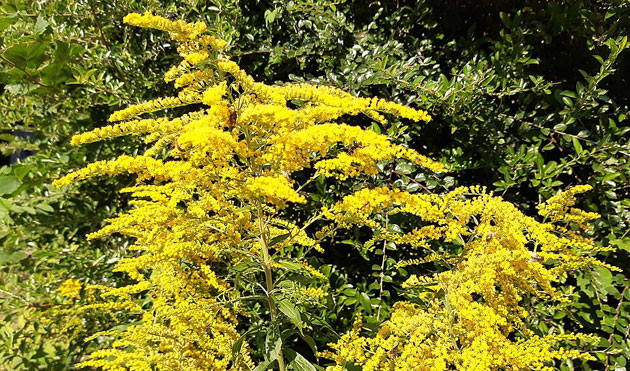
Method Three: For those with tiny space or apartment dwellers, you can still have a very tiny “meadow”. One pot of keystone species like Native Aster or Goldenrod is like a “gas station” for a migrating bee. These plants provide high-calorie nectar late in the season when other flowers have faded.
NB: Pots dry out faster than the ground, so a pot growing native plants will still need some water during a dry heat wave in May.
What to Grow in your Mini Meadow
Establishing native species right in your garden lays the very foundation for your mini meadow. If you are in the Northeast and Midwest, hardy perennials like Purple Coneflower (Echinacea) and Black-eyed Susans provide deep root systems that withstand frost and sustain bumblebees. Grow these and enjoy the lovely sight.
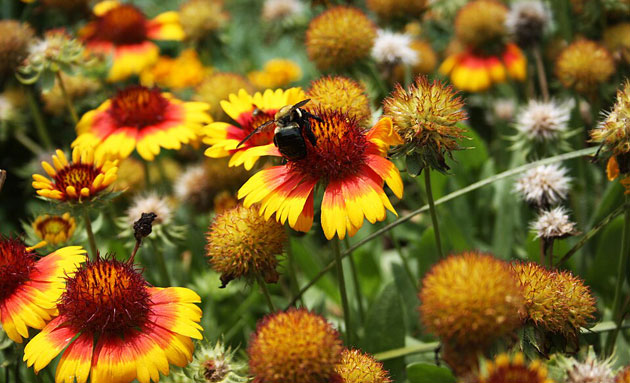
If in the humid Southeast, heat tolerant choices like Blanket Flower and Coreopsis (commonly known as Tickseed) are a viable, daisy-like option that handles the summer sun well.
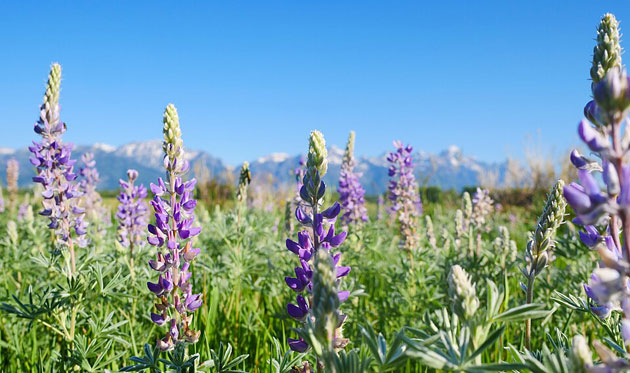
If you’re in the arid West, go for the native drought resistant native species like California Poppies and Lupine. Although they are annuals, they can withstand drought conditions pretty well.
When planting these regional prairie staples, patience is essential. Meadow establishment strictly follows the “Sleep, Creep, Leap” ecological rule. During the first year, it is the Sleep phase, where the plants focus on quietly growing a robust root system underground, while showing little above ground.
During the second year (Creep phase), plants start producing modest growth at the top in the form of foliage/small leaves. In year three (Leap phase), they leap forward, and your meadow explodes into full, mature blooms, and you realize your patience is now rewarded with a self-sustaining ecosystem.
Being a Good Neighbor
Your mini meadow does not need to look abandoned. To maintain harmony with your neighbors, you can mow an intentional 12 inch border around the perimeter of your meadow. This clean line communicates to other people that you are intentionally transforming your yard into a thriving, ecological oasis.
You can complement this with a signboard that says you’re creating a “Pollinator Habitat” with support from a conservation organization like the NWF (National Wildlife Federation). Most people are OK with this once they realize you’re doing your bit for the earth.
Closing Thoughts
Having a wild environment right in your yard significantly transforms its audible environment. From perhaps lawnmowers in the past, to the hum of bees during the day and the chirping of crickets at night, many people find this experience rewarding and refreshing. And besides, you don’t need to put in so much work as well.
The native species you nurture in your modest backyard directly support endangered migrating species, like monarch butterflies, on their journey to Mexico. And you’ll feel nicer knowing you played your part (albeit small) in helping Mother Nature.
Finally, you do not need to convert your entire property to make an impact. You can simply start with just ten square feet. Pick a single, sunny corner of your yard, clear the grass, and introduce some native seeds like the ones mentioned above.
Some Frequently Asked Questions
- Will a mini meadow attract snakes or ticks to my yard?
Answer: This is perhaps the most common question from people. Taller grass can provide cover for ticks, but the mowed frame also deters them at the same time. Try not having your wild area right next to the forest at the same time, and it should be alright. Most backyard snakes like garter snakes are harmless and act as pest control agents by eating slugs.
- Do I need to water my wildflower meadow?
Answer: Only during the first 4 or 5 weeks of May when the soil should be moist, as such conditions encourage your seeds to germinate. Once the plants are established and about 4 inches tall, these native plants are amazingly drought tolerant.
- Can I just throw seed bombs into my existing lawn?
Answer: For your mini meadow to work, you should expose the soil and ensure the seeds make contact with it. By simply just scattering seeds around, they often don’t get embedded into the soil. This is why you’re encouraged to “stomp” the seeds into the soil.