
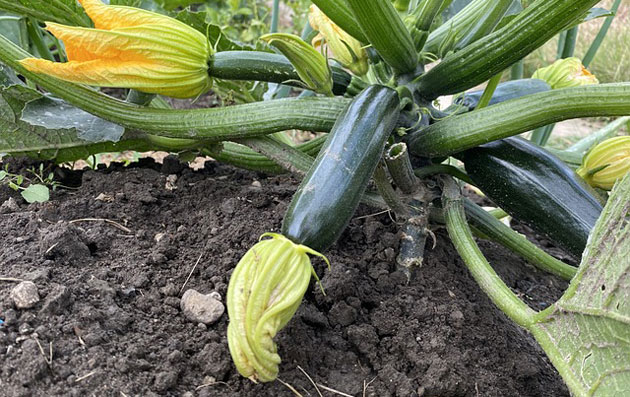
Zucchini is one of the most rewarding vegetables that home gardeners can grow. A warm-season squash (Cucurbita pepo), zucchini is fast maturing and can yield a crop ready to pick as soon as 45 – 60 days after it is planted. In addition to fast growth, zucchini is also known for its prolific harvest; one plant can yield dozens of squash all through summer. Grilled, roasted, made into noodles, etc., fresh zucchini makes anything you pair it with for dinner, feel special.
When you’re growing your own, you can skip the extra pesticides and aim for maximum flavor. Those with just a bit of space can succeed — zucchini does well in raised beds or big pots. This guide will show you how to grow zucchini, from soil prep to harvesting, to your first zucchini harvest.
Understanding Zucchini
Zucchini is a warm-weather annual that does well in most American climates. And there are more reasons zucchini is so beloved by home gardeners.
- Quick Crop: Many types are ready to harvest within 45 days.
- Heavy Producers: One plant will produce dozens of squashes in a season.
- Multi-purpose Use: In addition to zoodles (noodles made from zucchini), you can make all of your favorite noodles with a spiralizer as well.
- Good for Pollinators: The big yellow flowers attract pollinators, which are good for the garden.
Popular Varieties
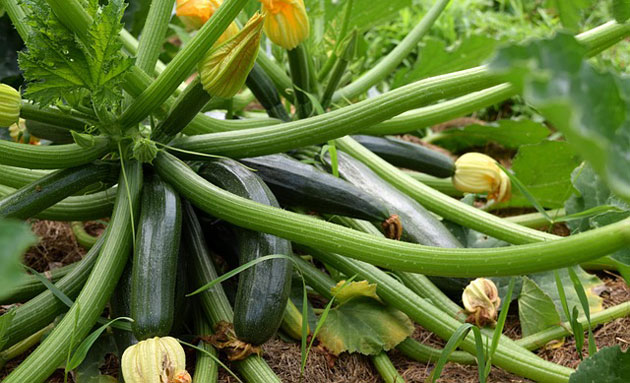
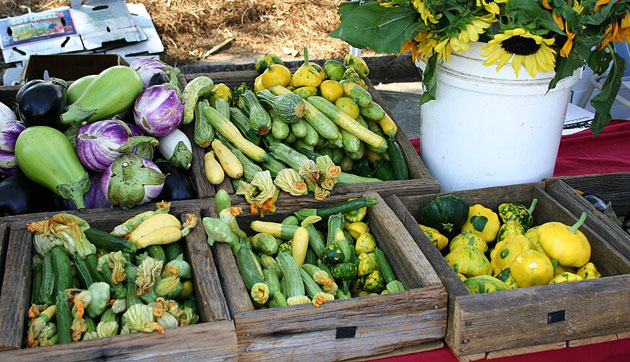
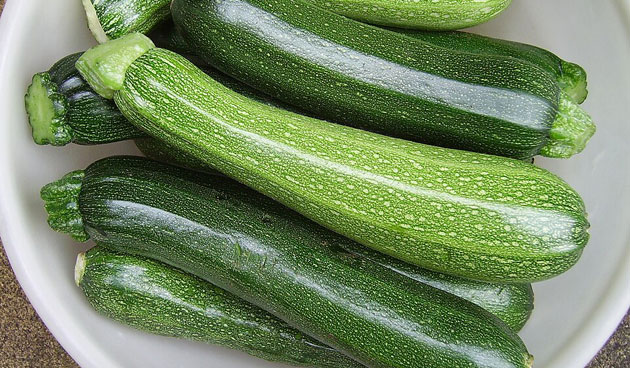
- Black Beauty: These are the classic robust dark-green fruits and they are a productive variety.
- Golden Zucchini: With perky yellow texture.
- Cocozelle: Heirloom Italian variety with striped skin.
- Raven: Short plant with dark green fruits, good for containers.
If your area is a hotbed for powdery mildew, or mosaic viruses, look for disease-resistant varieties when shopping for seeds. Pascola Hybrid, Alexandria, and Desert F1 are some disease resistant varieties.
Choosing the Right Location
Select a good location for your plant and your zucchini will be glad as well. This is what to look out for:
Sun Exposure
Sun requirements of zucchini – A mature zucchini plant needs at least 6-8 hours of sunlight.
Proper Circulation of Air
Plant your zucchini where they can get proper air circulation, which helps in avoiding mold and pests. This means avoiding confined areas near to walls, yet sheltered adequately from high winds.
Well-Draining Soil
Zucchini roots do not like wet conditions. Heavy clayey soil will likely develop root rot whereas sandy soil will dry out very soon. Raised mounds can be created to assist with drainage.
Good Organic Matter
Add organic matter, old manure, or composted stuff to your planting soil. Maintain the pH at 6.0-7.5 where nutrients are most available.
Preparing the Soil
Fertile soil results in robust plants and more harvest. Below is how to prepare the soil.
- Examine the Soil: Home testing kits will inform you about the pH level and amount of certain nutrients in the earth.
- Add Compost: Use 2 – 3 inches of compost or aged manure or leaf mold.
- Loosen soil: Dig in, with fork or tiller, add amendments to the top twelve inches.
- Form Mounds or Raised Rows: Mounds warm quickly and are well drained and with less chance of rot.
You might be able to fertilize at planting time with an organic granular fertilizer, something like a 5-5-5 to give it a little kick.
Planting Zucchini Seeds or Seedlings
Forrest Gump could have told you this, timing is everything. Zucchini despises cold and frost.
Planting Seeds
- After the last frost, sow or plant it right in the garden.
- The seeds should be planted at about 1 inch deep.
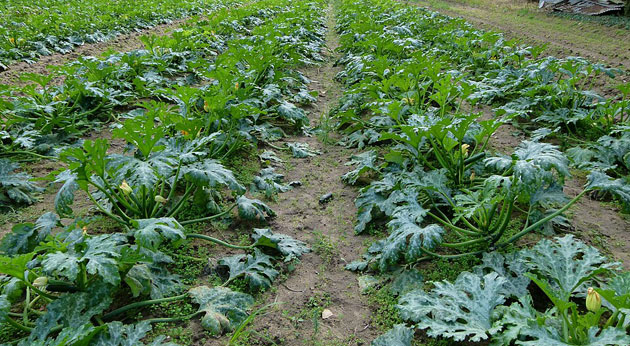
- Space out the planting mounds 3-4 ft. between them, according to variety.
- When planting in rows, space the rows so that you can walk between them, i.e. about 3 feet.
Starting Indoors
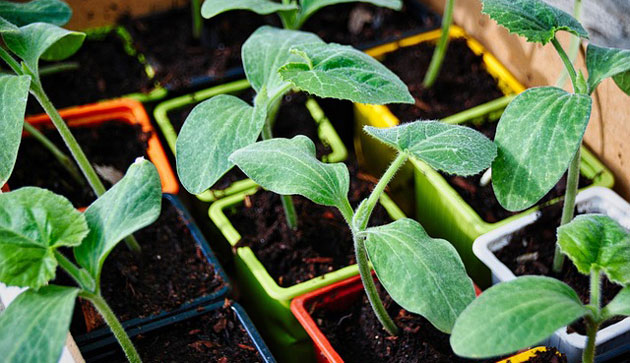
- When you are in a place with a short growing season, start the seeds to germinate indoors 3-4 weeks before the final frost date:
- Plant in peat pots or biodegradable seed starting cells.
- Have seedlings under grow lights or on a sunny window.
- When transplanting them, harden them off first.
Transplanting
- Transplant seedlings in the open air when night temperatures remain above 55°F/13°C.
- Take them out from the pots carefully, so as not to damage the roots.
- When planting, plant them at the same depth with which they grew indoors.
How to Grow Zucchini – Watering and Feeding
Zucchini loves consistent moisture.
Watering
- Water Deeply: Water so that the root zone is encouraged to go deep.
- Frequency: Approximately 1 to 2 inches of water each week, more during hot spells.
- How: Drip irrigation or soaker hoses work best as they keep leaves dry.
- Morning Watering: Helps avoid powdery fungus.
Fertilizing
- Early Season: Apply balanced fertilizer (such as 10-10-10).
- Blooming Period: Transfer to fertilization with high-phosphorus feed.
- Container Plants: Feed more frequently because nutrients leach out more quickly.
Always read and follow the label to prevent over fertilizing.
Supporting Healthy Growth
Zucchini does well with a little extra attention.
Mulching
- Spread a 2–3-inch layer of straw, shredded leaves, or grass clippings.
- Mulch retains moisture in the soil, cuts down on weeds, and helps prevent water splashing that can spread disease.
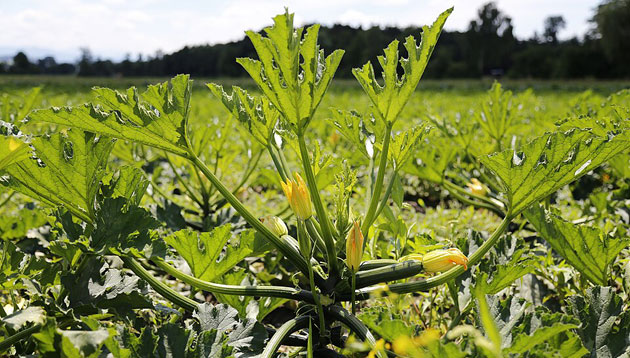
Trellising
Most zucchini are bush types, but there are some vining selections that can be trellised:
- Save space in small gardens.
- Improve airflow and reduce disease.
- Make harvesting easier.
- Use sturdy supports, as fruits can get heavy.
Companion Planting
- Good Neighbors: Nasturtiums, marigolds, radishes, beans.
- Avoid: Potatoes or other squashes to cut down on shared pests.

Common Problems and Solutions
The healthiest garden can also get pests and diseases. This is an illustration of how to recognize and manage the most frequent problems.
Pests
- Squash Vine Borer: The larvae eat into the stems and the plants wilt. Use row covers early in the season.
- Cucumber Beetles: Petite beetles that bite the leaves down and infect with disease. Apply yellow stick traps and row covers.
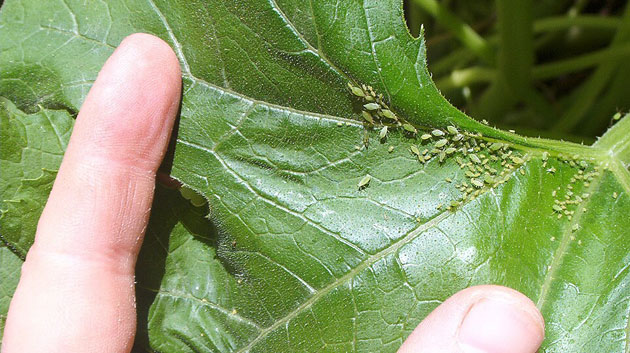
- Aphids: They are tiny insects, which appear in clumps on the leaves. Squirt with insecticide soap or a firm spray of water.
Diseases
- Powdery Mildew: Spots on leaves which are white. Cut off infested leaves and increase ventilation.
- Bacterial Wilt: Rapid wilting as a result of cucumber beetles. Plants infected should be removed to limit the spread.
- Blossom End Rot: Dark, sunken spots on fruit. Usually caused by calcium deficiency and inconsistent watering. Mulch and water regularly.
Check plants regularly so that you can take immediate measures in case something goes wrong.
Harvesting Zucchini
Zucchini is fast growing once it starts to fruit.
When to Harvest
- Harvest when fruits are 6–8 inches long for a tender take.
- Smaller-sized zucchini have better flavor and fewer seeds.
- Plants should be checked for fruits every other day—everything grows very quickly!
How to Harvest
- Use a sterile knife or pruners.
- Leave a small stem to keep tops fresh.
- If your variety has spiny stems, wear gloves.
- Frequent picking encourages continued production.
Bonus Tips: Storing and Using Zucchini
With zucchinis, when they start arriving you will end up with a lot to eat. This is the way to store and use it:
Fresh zucchini should be refrigerated
- Store unwashed in a plastic perforated bag, in the crisper drawer.
- Refrigerate 5-7 days to bring out the best in cooking and taste.
Freeze and save
- Cut in slices and parboil for 2-3 minutes in boiling water.
Put ice water.
- Cool them in ice water, drain, and stow it up in canned polybags (bags). Remove all air before sealing the bags.
Keeping in Pickle or Dried form
- Dehydrate the thinly sliced zucchini and eat them as chips, or pickle the zucchini.
Recipes Use
- Add to stir-fries, casseroles, and soups.
- Grate it up into muffins, or breads, or fritters.
Olive oil and herbs can be added, lightly thrown and grilled or roasted to make a quick side dish.
How to Grow Zucchini – Conclusion
Growing zucchini yourself is very simple and it is a yummy and convenient way to get the health benefits of fresh produce right at home in very little time. Even new gardeners can cover a rich harvest within weeks, provided that they use the right location, quality soil, and adequate care. Add to that the fact that zucchini grows fast and produces bountiful harvests and you would be loaded with generous amounts of zucchini that you would not know what to do with and where to store it, and how to prepare it in your favorite recipes.
Collect your seeds, work your fields, and start your zucchini experience now. You will be surprised to know the amount of satisfaction you receive when your plants grow and bloom.


