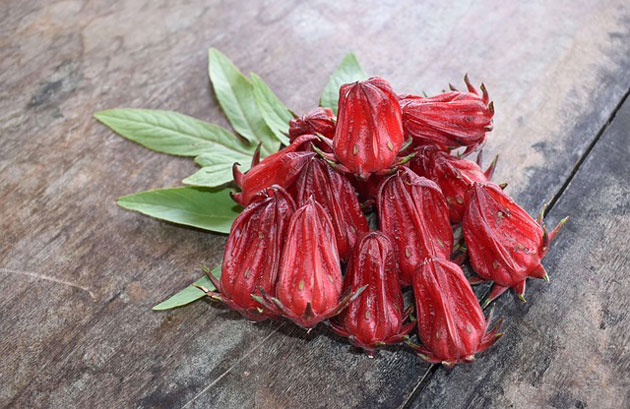
June is the transition period to summer, when the last call to grow any summer crops goes out. Most people would consider June to be the start of summer, so with that being said, what are you planning on planting? While most people would consider growing crops like tomato or zucchini, why not try something different? How about growing roselle?
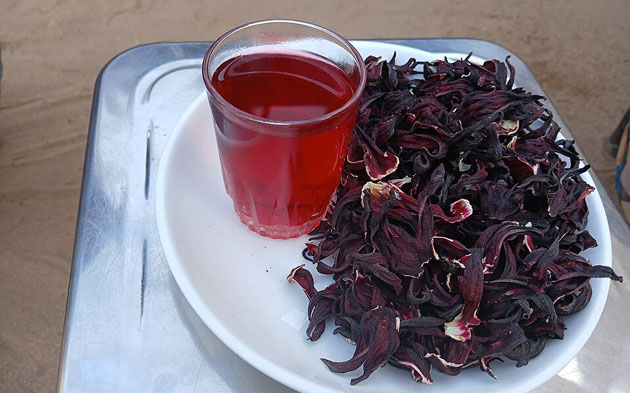
Roselle hibiscus (Hibiscus sabdariffa) is a native of tropical Africa, and thrives perfectly well in the summer heat while the pretty blooms are the ultimate summer stunner. It is also a highly beneficial plant for many ailments, as beverage tea made from its leaves and blooms is believed to help with many health issues and contains high amounts of nutrients like vitamin C.
Featuring deep burgundy stems, dark green lobed leaves with red veins, and creamy yellow-to-pink (or white) blossoms depending on cultivar, roselle is a stunning flowering plant, but most people associate it with all the hibiscus they see out there. This is a little misguided; while all roselle are hibiscus, not all hibiscus are roselle. This means that the average garden hibiscus cannot be used to make hibiscus tea; only one species works – Roselle (Hibiscus sabdariffa).
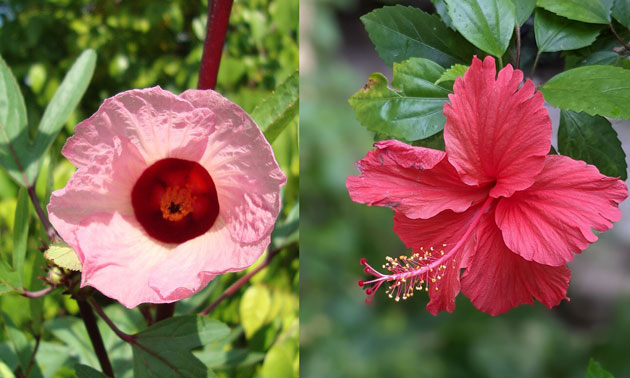
Botanical Science – Which part of roselle is edible
For the record, to make hisbiscus tea from roselle, we don’t use the flowers. The large flower petals are not used at all, as they always fall off and wither within 24 hours. Instead, we use the calyx/calyces, which is located at the very base of the roselle flower. Once the flower drops off, this tiny green cup swells up and turns a deep crimson color and wraps tightly around the green seed pod. This fleshy red cup is the harvestable crop.
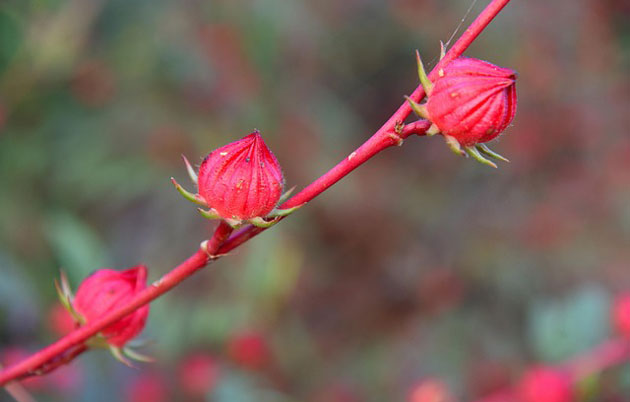
This calyx is very high in vitamin C, and other organic acids like malic and citric acid, including bioflavonoids. It also contains anthocyanins that are powerful antioxidants. This is why the roselle hibiscus is prized for its health benefits.
Growing Roselle in a Temperate Climate
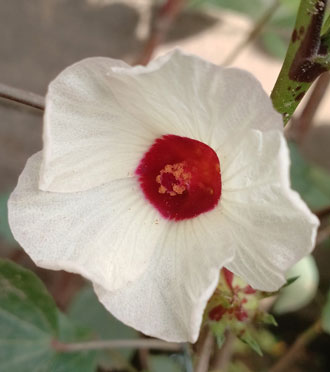
Roselle is a tropical plant native to West Africa and widely grown in Asia. But can it grow in a temperate climate? Being from a tropical climate, it has zero frost tolerance. It can survive in USDA zones 9-11, but for USDA zones 4-8, the first autumn freeze will kill it instantly.
Then there is the daylight or photoperiod problem. Roselle is a “short-day plant”. This means the plant keeps track of the length of the night. It will refuse to bloom during the longer days of June, July, and August. The flowering cycle will only be triggered when daylight drops to roughly 11 or 12 hours, which usually happens in late September or October. For a person living closer up the north, any early autumn frost in September or October can destroy the plant right when the red calyces are forming.
Steps in Growing Roselle in Temperate Climates
The Indoor Start – In a cold climate, you are ill advised to sow seeds in June. For growing roselle, seeds are best started indoors, under grow lights and 6-8 weeks before the last spring frost.
Container Gardening – Roselle is best grown in 5-10 gallon black fabric grow pots. Fabric pots warm up the soil much faster in the June heat, and you can always pull indoors your roselle plants or any other tropical plants you happen to be growing, and save them from any frosts.
The Leaf Backup Plan – If early frosts ruin your flower harvest, all is still not lost. The leaves of Roselle are totally edible. But how do they taste like? They have a sour, and somewhat citrus-like flavor that is described as spinach meets rhubarb, and is a staple in West African and Burmese cuisine. If you’re growing roselle, you could harvest the leaves all summer long and no one will bother you.
Sowing and Planting Roselle
Seed Scarification – The exact meaning of seed scarification is to soften up the hard outer shell. This allows water and oxygen to penetrate the seed and stimulate germination. So, how would you carry out seed scarification on your roselle plant?
Roselle seeds have a famously hard, shell-like coating. If you plant them dry in dry conditions, they can take weeks to respond, if at all. So what’s the best way to get them going? How about soaking the seeds in warm water first? Soaking for 12-24 hours will soften the outer shell, and you can help the process along by rubbing sandpaper onto the seeds before soaking.
Soil Specifics – Roselle hates both extremes of heavy, compacted soil, or waterlogged soil (wet feet soil). Like most plants, it only thrives in loose, sandy, and well-draining soil with a pH of between 6 – 6.8.
Planting and Sowing – Seeds should be planted ¼ to ½ inches deep. If sown in the hot June sun, the pre-soaked seeds are almost guaranteed to sprout within 4 – 7 days.
Spacing – Roselle is a large, sprawling plant that easily reaches 5 – 6 feet tall and 3 – 4 feet wide. Remember in growing roselle, to space the plants at least 3 feet apart. Crowding them impedes the airflow and ruins any harvests later.
Roselle Care and Maintenance
Watering – Although young seedlings require consistent moisture, mature plants are highly drought tolerant due to having a deep taproot. Water deeply but infrequently; let the soil be soaked thoroughly once a week instead of daily shallow sprinkles. This watering strategy encourages the roots to go deep into the earth.
Fertilizing – Refrain from using high nitrogen fertilizers (like manure or lawn fertilizer) for roselle. This is because high nitrogen tells the plant to develop a lot of green leaves and branches instead of flowers and calyces. Rather, the development of flowers and calyces is suppressed. Some organic blend with low nitrogen and high phosphorus (like bone meal or a bloom booster) applied during mid-summer is much preferable.
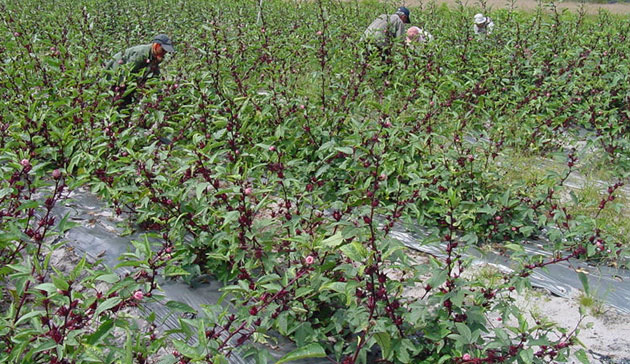
Structural Support – By August, branches of roselle can become heavy and brittle. A sudden storm with strong winds may snap the main branches. The solution for this potential issue is to set up a heavy duty tomato cage or a sturdy wooden stake early on during the season.
Troubleshooting
Several issues are known to plague roselle cultivation. These are described below:
Root Knot Nematodes – These are tiny microscopic worms in the soil that burrow into roselle roots, causing bumpy, swollen galls that slowly starve the plant, by affecting its ability to absorb nutrients from the soil. Sandy soils are highly prone to them. To fix is to mix heavy amounts of organic compost into the planting hole and mulching heavily, in order to encourage microbes that prey on the nematodes to multiply. The soil surface can be covered with a plastic sheet, which traps heat and kills pests in the upper layers of the soil. Crop rotation also helps, as in rotating roselle with crops like marigold or hemp to suppress the nematodes.
Aphids and Mealybugs – These pests love the tender, sugary sap found on new flower buds. Manually check on the tips of the branches daily, and remove any aphids or mealybugs that you see. Sharp bursts of water from a garden hose, or spraying a mixture of organic Neem oil and insecticidal soap in the evenings will get rid of them.
Powdery Mildew – This is a white and dusty looking fungal infection that covers leaves during humid late-summer nights. To prevent powdery mildew, keep the leaves dry and always water at the base of the plant, and never let the leaves get wet.
Harvesting Roselle
The 10 – 14 Day Window – Time your harvest of the calyces 10-14 days after blooming, while the calyces are still plump and easy to snap off. After the yellow flowers drop, the red calyces will begin to swell and this is the time to harvest them. If you wait too long, the calyces turn brown, dry, and woody.
The Harvesting – Do not pull the calyces off with your bare hands, as this strips the bark off the main branches. Instead, use sharp garden shears or bypass pruners. Do wear gloves when harvesting, as the mature stems of roselle are covered in tiny, irritating hairs (trichomes) that cause skin itching.
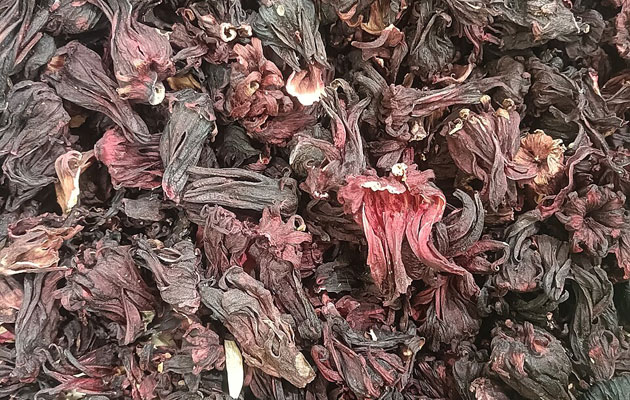
The Coring Process – Once the calyces are harvested, wash them in cold water to remove dust and small bugs. Use a sharp knife to slice off the very bottom part of the red calyx where it connects to the stem. Then take a sturdy metal reusable straw or a cherry pitter and push it through the bottom hole. This will pop the round, green seed pod smoothly out of the top, leaving you with a hollow, crown-shaped red shell.
Drying & Storage – Lay the now hollowed red calyces in a single layer on a food dehydrator tray at 50°C (122°F) for 6 to 8 hours, or spread them out on a screen in a dry, dark room for 3 to 5 days until they are completely brittle. Store them in an airtight glass jar away from direct sunlight. They will stay fresh for over a year, ready to be steeped in boiling water for a perfect, ruby-red summer iced tea.
Summary
In summary, growing roselle as an annual and not a perennial is a viable approach to having this tropical plant in your garden. If you follow the steps outlined here, harvesting the calyces and then using them for their health benefits makes this all a rewarding garden project. Here are the steps again for growing roselle, in brief form:
- June: Soak seeds, plant 1/4 inch deep, watch for sprouts in 5 days.
- July–August: Water deeply once a week; avoid nitrogen, and install sturdy stakes.
- September: Watch for pale-yellow blooms as daylight hours begin to drop.
- October: Harvest plump red calyces 10 days after flowers fall; extract the core and dry.