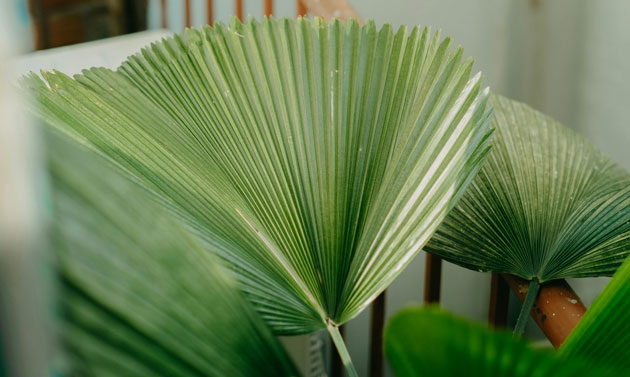
Licuala palms are a perfect fit if you are looking for a unique, beautiful, and long-lasting palm in either indoors or outdoor garden settings. Its striking fan-shaped leaves and elegant appearance add a tropical touch to any space.
This article will look at how to grow Licuala palms, the best Licuala species for home cultivation, specifying how to care for them, and what problems you might face when growing such beautiful palms.
What Are Licuala Palms?
Licuala palms, belonging to the Arecaceae family, are native to tropical habitats from Southeast Asia to Australia and the islands of the Pacific. It probably has the one most distinguishing feature of any given palm: that round, pleated leaf is so unlike any other in the genus.
Licuelas are to be found best growing beneath a canopy of tall trees in rainforests. For that reason, it is best to grow this palm under low to medium light and high humidity. Most of these palms are found in warm, moist habitats, as opposed to other palms that can live in a dry environment.
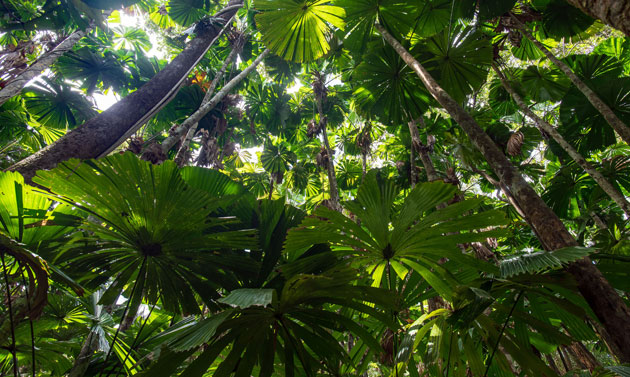
It is for that reason that growing Licualas, particularly under cool winter conditions and low humidity, is quite difficult. Some members can adjust to indoor conditions such as a greenhouse, while others are strictly tropical and not able to survive beyond their natural habitat.
Choosing the Right Licuala Species
Unfortunately, not all Licuala palms are low maintenance plants. Some require consistent warmth and humidity; others are tolerant of small temperature variations.
Some species are prohibited; they cannot be traded, or cultivated: collection or cultivation will be allowed only if a permit is obtained. Here are three kinds of Licuala which have been found to be able to be grown successfully in the average house with good care.
1. Licuala Grandis (Ruffled Fan Palm)
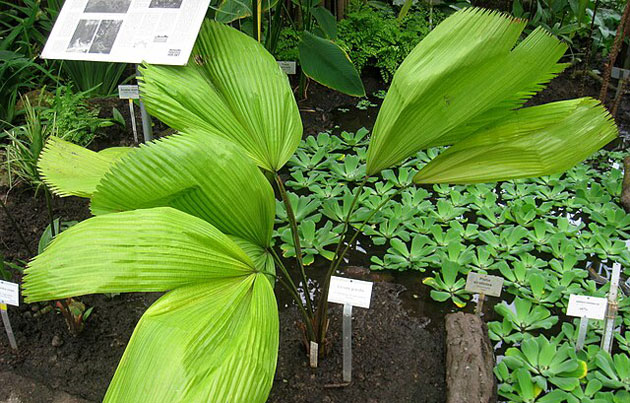
Most of the time this species is simply called Licuala Grandis, also named the Ruffled Fan Palm. This is one of the largest-leafed plants with very pleated leaves, which appear to look like a giant fan shaped as a hand; it is indeed a dramatic ornamental for the home.
Why it’s a Good Choice:
- Compact size: Can grow to a height of 6-8 feet, and hence it is very suitable for both indoor and outdoor growing.
- Adaptation: Very flexible, can grow indoors, under bright indirect light.
- Tolerates containers: Suitable for pot growing to allow you to bring it in during cold weather.
Challenges:
- Cold-intolerant: It needs temperatures above 50°F/10°C, at all times.
- Slow-growing: To develop its full and mature shape, a long time is required just because the growth rate of the plant is slow.
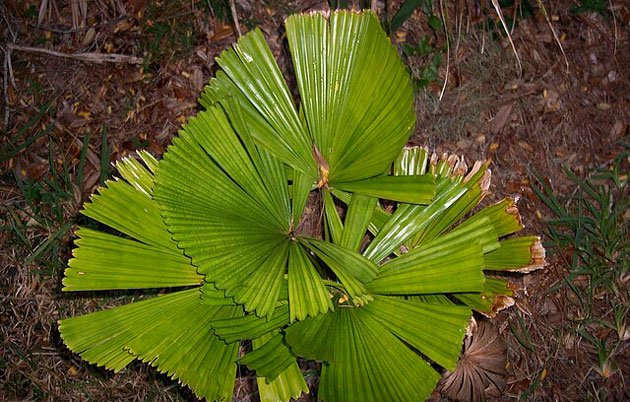
2. Licuala Ramsayi (Australian Fan Palm)
Bigger species than Licuala grandis from northern Australia Probably one of the coldest tolerant Licuala species, Works well in subtropical or temperate regions. Rounded, massive and dark green leaves are the hallmark of this plant. The most eye catching of the species and it is typically employed as a BIG tropical garden focal plant.
Why it’s a Good Choice:
- More cold resistant compared to other Licuala species
- Large round leafed plant with a dramatic form.
- Only will grow outside in warm humid conditions!
Challenges:
- The plant grows very slowly and might take quite a few years to become established.
- It will need lots of space because it will eventually spread out at a height of some thirty feet.
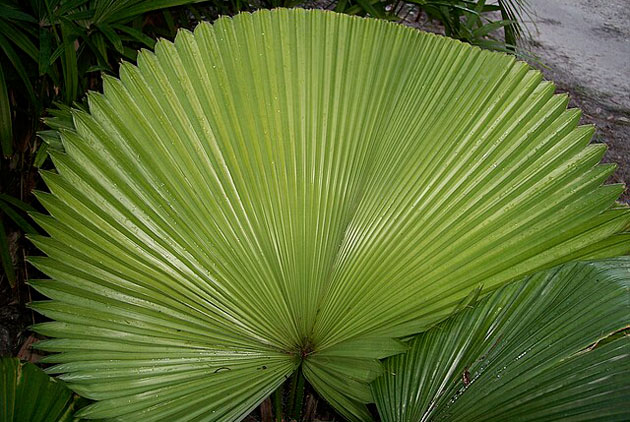
3. Licuala Peltata var. Sumawongii (Sumawong’s Licuala)
Licuala peltata var Sumawongii is this big guy with broad circular leaves deep green in color. The most stunning of Licuala that you can add to your tropical garden is probably this one. It differs from the Peltata variation in that the leaves are joined while Peltata is divided.
Why it’s a Good Choice:
- Highly ornamental by way of handsome, large leaves
- Does well in shaded areas — good for an understory plant.
- If humidity is kept up… Can be grown in containers.
Challenges:
- Needs consistently high humidity to prevent leaf damage.
- Sensitive to dry air and low temperatures.
How to Grow Licuala Palms
1. Climate and Location
Licuala palms are native to — Tropical rainforests having warm, humid climate. Yes, they could be grown if you live somewhere tropical or sub-tropical. In a temperate climate, they are just suitable for an indoor pot throughout the winter.
Ideal Temperature:
- Above 50°F/10°C, all are okay.
- Optimum growth takes place between 75-85°F/24-29°C
Light Requirements:
- Bright, indirect sunlight or part shade
- If you plant, direct sunlight causes its leaves to burn.
Humidity:
- The temperature for growth is good at 60-80% humidity.
- Employ a special-purpose humidifier, or mist the area with a little water, if you have grown these indoors.
2. Soil and Potting Mix
The most important with these palms is the type of soil one uses. Being tropical palms, they require a mix that holds moisture well but has good drainage too. Roots of the palms will rot in stagnant water if they are not well aerated.
Ideal Soil Composition
- Peat moss or coco coir retains moisture within the soil, but it also makes the soil airy and fluffy at the same time.
- Perlite or sand: It is with appropriate drainage that the water will not have to pool around the plant base.
- Organic compost and/or aged bark: it feeds the required nutrients so that the plant may grow always.
Potting Tips for Container Growth
- A deep pot with drainage holes is important. This will prevent flooding.
- For plants with big leaves, placing a couple layers of gravel or pebbles at the bottom can improve drainage – great for soils.
- Keep the soil replenished yearly or bi-annually as well. This is actually to replenish the strength of the soil and prevent compaction.
3. Watering Needs
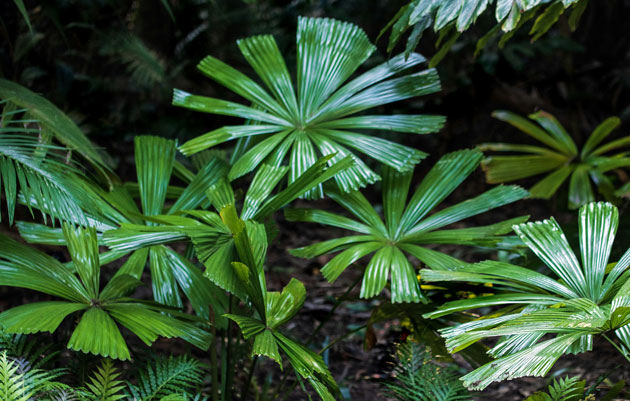
Isn’t it obvious that Licuala palms prefer to be kept semi-moist? Yes, that’s true. But it doesn’t mean you have to keep the area waterlogged.
Watering Schedule:
Water the plant when the top 1-2 inches of soil feel dry. Reduce watering when growth slows down in winter. Water with rain or filtered water that is free of soil salt.
4. Fertilization
Feed palm fertilizer to Licuala palm every 2–3 months for balanced slow release to keep it in good health. Look for a fertilizer rich in:
- Magnesium
- Potassium
- Nitrogen
Root burn can easily occur if too much fertilizer is applied.
5. Pruning and Maintenance
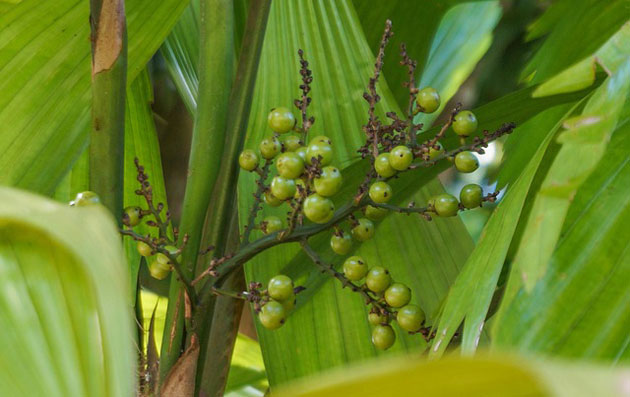
Licuala palms demand little maintenance in terms of pruning, but require occasional care for them to appear vibrant and be in good shape. Licuala palms have fronds that are slow growing compared with those that adorn other palm species. Over-pruning will put the plant under stress.
When and How to Prune
- Prune all dead or yellowed leaves: cut them from the base of plant with a clean pruner.
- No pruning of the green leaves: excessive cutting from healthy fronds can weaken and retard growth in the plant.
- Prune lightly: every cut should be as close to the trunk as possible but do not cut or pinch the stem.
Additional Maintenance Tips
- Wipe off the leaves: Dust is likely to accumulate on the broad leaves of the plant; a single swipe with a damp cloth would get rid of it. This shall assist in effective photosynthesis by the leaves.
- Check for Pests: Both spider mites and scale insects are common on indoor plants.
- Increase the Humidity: Spray the leaves occasionally to prevent them drying out or turning brown.
Challenges in Growing Licuala Palms
Many species of Licuala palms tend to be very demanding. They are beautiful, but present some growing challenges:
1. Cold Sensitivity
Licuala palms are tender and cannot live in temperatures colder than 50°F (10°C).
Solution: Plant in pots and take indoors for winters. Or grow them in a greenhouse.
2. Pest Issues
Get rid of pests. Some of the most common invading pests are:
- Spider mites
- Mealybugs
- Scale insects.
Solution: Wipe down the leaves with a wet cloth and spray them with neem oil as required.
3. Yellowing Leaves
Maybe it is over-watering. Less often—it is due to lack of nutrients or humidity.
Solution: Re-adjust watering, improve the drainage system, and add a little fertilizer.
Legal Protections for Some Licuala Species
Most species within Licuala are under threat or endangered, and a few have been listed in the CITES appendices, so in practice, they cannot be collected or traded without permission.
Examples of Protected Species:
- Licuala dasyantha: China is the origin of this very rare species.
- Licuala orbicularis: Rare and scarcely traded:
- Licuala mattanensis: Habitat destruction probably represents the greatest threat to this species,
It is, therefore, important to be sure that there are legal rights in place conferring property ownership before acquiring a Licuala palm.

Final Thoughts
Licuala palms are beautiful, but only in a very specific environment. They love a moist, hot place, which means that they belong in a tropical garden. With the right species under proper care though, one can definitely look forward to enjoying these tropical jungle plants for years to come.