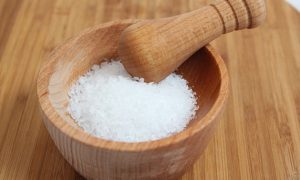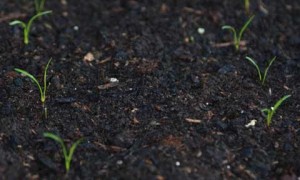
Do you realize that your humble kitchen can contribute so much towards your garden outside? Yes, your kitchen is a source of various materials that can benefit your garden (that most people sadly toss away on a daily basis). Two of such materials are coffee grounds and eggshells, which are just free garden fertilizer.
However to benefit, your mindset has to shift from viewing the stuff you throw every day as waste, into resources. When you start seeing your kitchen as a goldmine for garden nutrients, your garden will be sure to thank you for it.
The Landfill Trap and Methane
Every day, tons of organic kitchen waste is thrown away in plastic bags into landfills; decomposing slowly and generating methane on an industrial scale. Methane is significantly more potent and harmful than carbon dioxide. Anaerobic bacteria break the waste down, generating methane gas, which is 28 to 36 times more dangerous than carbon dioxide in trapping atmospheric heat.

Then there is the wastage. The average American household of 3-4 people consumes almost a thousand eggshells and 30-40 pounds of wet coffee grounds per year, mostly going to waste instead of being recycled organically as cheap organic fertilizer. Certainly, the standard linear model for consumerism (buy, use, and dump) can be changed for a closed loop circular economy model running entirely from inside the kitchen. By recycling nutrients from the kitchen back into your garden, you reduce greenhouse gas emissions, feed your soil, as well as save money.
Free Garden Fertilizer: Coffee Grounds
Coffee has a 20:1 Carbon-to-Nitrogen (C:N) ratio, making it a great organic fertilizer that you can add to your soil. There is a common misconception that coffee will make soil acidic and sour. Although brewed coffee is indeed acidic, but the grounds left behind are about neutral, because the acids (chlorogenic, citric, and acetic) have already leached out into your mug while you were drinking it.
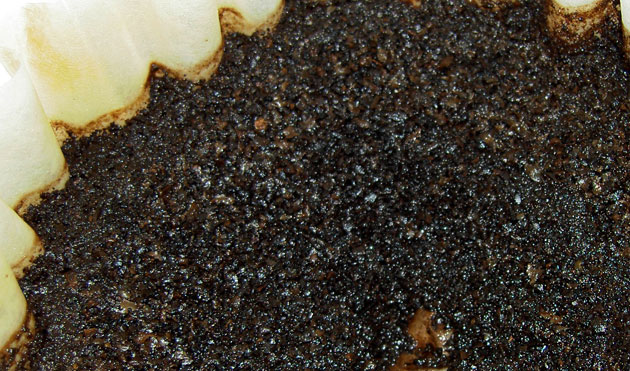
What’s left behind is a stable 6.5-6.8 pH. These are all the coffee grounds that you can now put to use. In soil science and chemistry, a ratio of 20:1 for Carbon:Nitrogen is considered ideal. Fresh greens, legumes, and manure all have this sort of ratio. Coffee grounds also have this ratio and it can be considered a “green fertilizer” despite the color. In scientific terms, such a ratio enables the nitrogen to be rapidly released into the soil for plants to use, rather than being tied up by microbes.
This ensures your soil will still maintain their pH values even after you add the coffee grounds. Altogether, coffee grounds provide an easily digestible balance of carbon and nitrogen to soil.
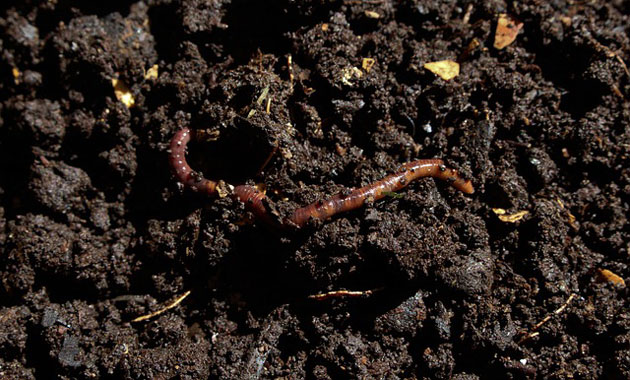
Coffee grounds also stimulate beneficial soil fungi (Aspergillus and Trichoderma) that first move in to decompose the tough cellulose. It then attracts earthworms to that patch of soil to feed on the fungi. Those earthworms also tunnel and burrow within the soil, aerating the soil matrix while leaving behind their worm castings that further enrich the soil.
Free Garden Fertilizer: Eggshells
Eggshells are highly dense sources of organic calcium carbonate (CaCO3) which alone comprises 95% of the shell’s matrix. The remaining 5% is composed of trace magnesium, phosphorus, and organic proteins found in the thin inner membrane of the egg.
When it comes to calcium, plants absolutely need it. Calcium behaves like cement for plant cell walls. If a heavy feeder crop like tomatoes, peppers, or zucchini lacks calcium during the rapid growth phase, its cell walls will collapse. This leads to blossom end rot, a condition wherein the developing fruit turns black/shriveled up on the bottom end.
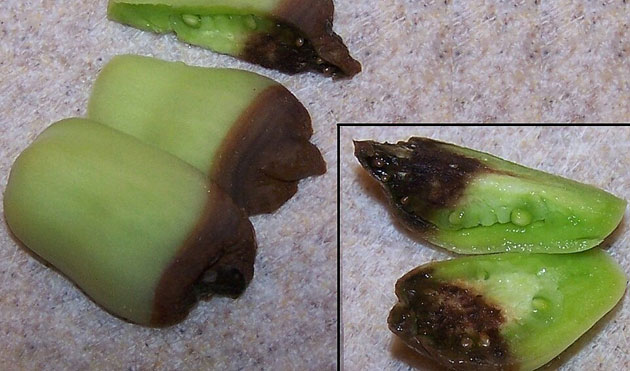
Being such a great source of organic calcium, it would be foolish to throw away whole eggshells! Because they only break down slowly over several years, eggshells are like slow-release mineral pills that slowly add calcium into the soil.
Eggshells correct soil pH naturally. If the pH is too acidic, plants struggle to absorb nutrients efficiently. But if you’ve ever added lime to your soil to neutralize excessive acidity, eggshells can do the same thing. They behave exactly like agricultural lime (calcium carbonate). As eggshells slowly break down and decompose, they neutralize highly acidic soil, and move the pH back to an optimal 6-6.8 pH, where plant roots can now comfortably absorb other fertilizers.
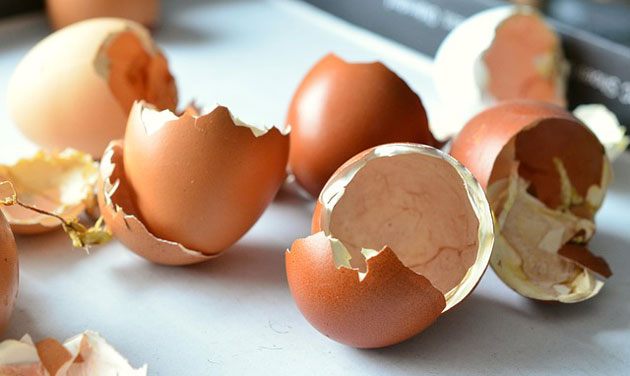
According to the Environmental Protection Agency, eggshell waste rank among the top sources of food based pollution. When eggshells go into a landfill, the inside of the shell rots anaerobically (without oxygen), generating methane gas and contributing methane to the atmosphere.
But in a compost bin or garden bed, that same inner membrane becomes a valuable source of nitrogen and organic matter for soil microbes over the course of several years as the eggshells break down and decompose.
How to Process Your Eggshells
Eggshells are arguably worse than coffee grounds. They stink and attract pests, and collecting them might seem like a chore. So how do we go about processing eggshells and ready them for the garden? Here are some simple steps you can take:
- Rinse: Wash away all the liquid albumen to prevent rotten smells and fruit flies (keep the inner membrane for its protein if you want).
- Store: Crush them flat and store them in a container in the fridge, stopping the smell and bacterial growth.
- Bake: Once you gather a dozen or more shells, spread them on a baking tray at 93°C (200°F) for 10–15 minutes to completely eliminate any risk of Salmonella bacteria and make the shells brittle.
- Pulverize: Grind them in a coffee blade-grinder or high-speed blender until they look like fine baking flour. Do this only if you need to speed up their breakdown in the soil. Otherwise, breaking them up into small pieces is enough.
You should speed up the breakdown of your eggshells if your plants are actively growing or showing signs of stress. Pulverizing is best for heavy feeders like tomatoes and peppers during the spring and summer, or plants currently suffering from blossom end rot.
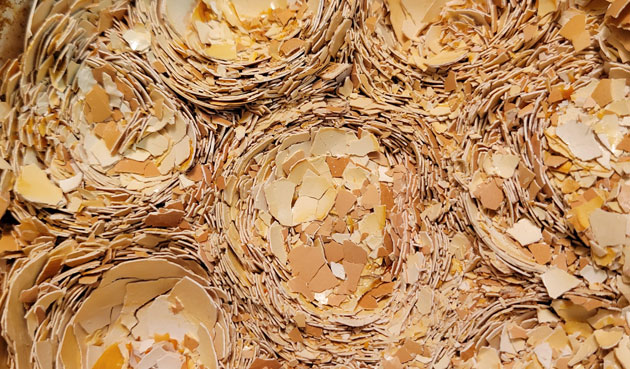
Another foolproof method to chemically “hack” the breakdown is to try this method:
- Mix 2 tablespoons of eggshell flour with 1 cup of apple cider vinegar in a tall jar. The acetic acid reacts with the calcium carbonate, bubbling aggressively and releasing carbon dioxide (CO₂). Once it stops bubbling, the calcium is completely water-soluble. Dilute 1 tablespoon per gallon of water for a fast root drench or foliar spray.
How to Process Your Coffee Grounds
Looking at the wet coffee filter every morning and seeing the tiny amount of leftover grounds, you might wonder if all this is effort is worthwhile. We get it.
Solution: Don’t leave them wet. Wet coffee grounds tend to go anaerobic fast, growing fuzzy blue molds. Dump the morning grounds onto a flat plate or a piece of old newspaper on the counter for the day. Once they dry out, they turn into a clean, dry powder that doesn’t smell. Then, toss that dry powder into a big container under the sink. It adds up fast—a couple of coffee drinkers will easily fill a large container in a month. Store the grounds in glass jars.
Do note that wet coffee grounds tend to stick together like clay, forming a water resistant crust when dry. This can block out rainwater and reduce oxygen in the soil if used as mulch. The solution is simple – Mix them with traditional wood mulch or leaf mold in a 1:4 ratio and do not pile them up thickly.
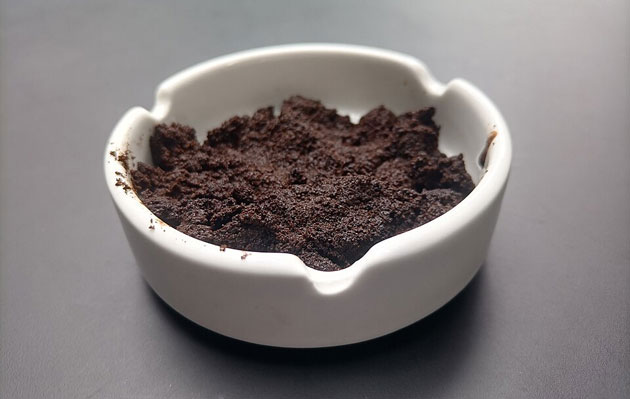
They can also be added to compost piles where they act as a nitrogen-rich “green” addition, or raked thoroughly into the top 2-3 inches of soil so they are diluted and dispersed with no more than 10-20% of the total soil mix.
Coffee grounds should also not be used with seeds or tiny seedlings. Coffee contains natural chemical compounds (including leftover caffeine) that can stunt root growth in very young saplings, or prevent seeds from germinating altogether. Save them for established plants.
The Zero Waste Mindset
Knowing how the traditional linear disposal model is flawed, and how it contributes to increased greenhouse gases, if we aim to reduce our footprint, the next step is to try to align more with the organic circular system right from the household kitchen. And two ways to do it are recycling coffee grounds and eggshells. Change how we view organic kitchen waste, from stinking waste to “raw biological resource”.
It should become a daily routine, so treat all this as a subscription service with high value organic yield. Plus, you get to save as well. It’s time to view your garden not just as a recreational leisure space, but as an active, micro refinery capable of transforming city waste into food security and savings.
So how about setting up that dedicated scrap reclamation bucket right below your kitchen sink this very day? You won’t regret it.