
So you give your plants all that you think they need, the right amount of lighting, the right soil, and strict watering schedules, and yet, your plants strangely don’t do well. The leaf tips often turn brown, crisp, and ugly. And you wonder why.
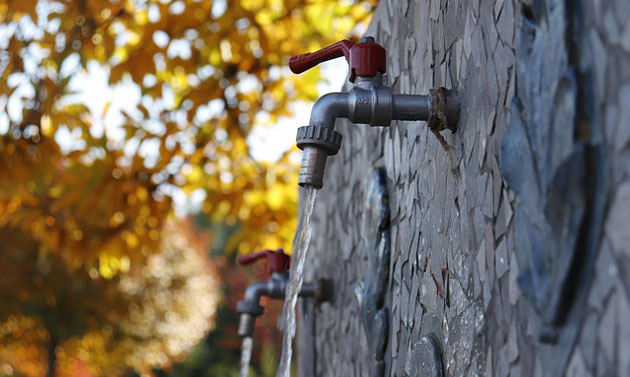
What could be the culprit? The unexpected villain that few are ever aware of is the ubiquitous home faucet! Make no mistake; while municipal treated tap water is quite the marvel of human engineering, using tap water for plants is detrimental to them; it’s treated with chemical agents to make it safe for human consumption but it can absolutely poison your plants.
What keeps humans safe from waterborne diseases is what can actively disrupt a plant’s root system. Although it affects indoor plants a lot more than outdoor plants simply because the toxic water can drain away in the outdoor soil, it’s still important to be aware that such water is in fact, toxic to plants.
What’s the solution then? Simply let your tap water sit out for 24 hours. It’s a completely free habit that can transform your plants health, both indoors and outdoors. If you’re still not convinced why you should do this, read on and we will explain it all.
Chlorine Risks in Tap Water for Plants
Municipal water systems rely on free chlorine and chloramine. These are powerful chemical sanitizers added specifically to destroy all micro-organisms inside the plumbing network, regardless if they are harmful or benign. By micro-organisms, we mean bacteria, biofilms, and pathogens. The agent used, chlorine (Cl2), is a highly reactive gas that dissolves in water and works as an oxidizing agent that rips apart the cellular walls of algae, biofilm, and bacteria inside the underground pipes.
Realize that healthy soil is not just dead dirt, but a thriving and living habitat with its own micro-ecology. Lot of beneficial bacteria existent in soil help to fix nutrients for plant roots; they live in the rhizosphere which is the immediate soil zone surrounding plant roots. Protozoa and mycorrhizal fungi also help to greatly extend root system ability to absorb water.
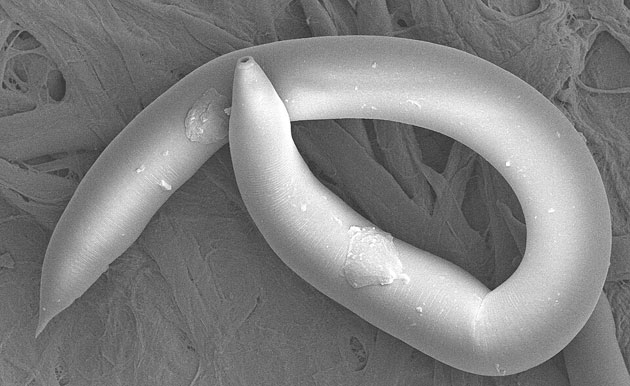
Now what happens when you use fresh tap water? You are applying a small dose of chemical disinfectant to this micro-habitat. Over a period of months, this persistent sanitization wipes out the helpful microbes living in the soil. Once these microbes are gone, the soil starts to lose its structure and aeration, becoming compacted, and unable to break down organic fertilizers such as organic compost/fish emulsion, and starving the plant from the roots up.
Indoor vs Outdoor Plants
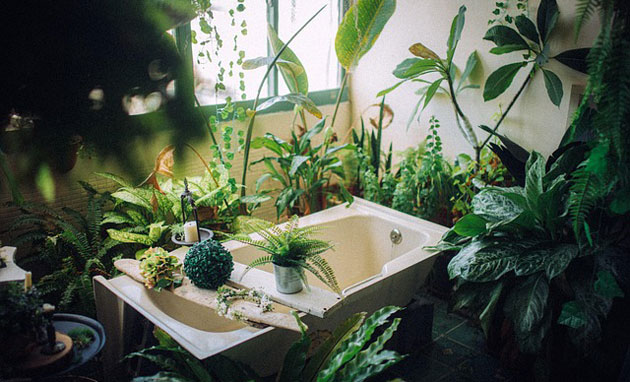
Indoor tropical houseplants like Monstera deliciosa, Fittonia, or Spider Plants, are usually trapped in closed circuit systems, when grown in pots. So they have zero access to natural rainwater which can dilute the chemicals in tap water. Due to slow indoor evaporation rates, chemicals linger in the soil for a much longer time. Tropical understory plants won’t tolerate such chemicals well, as they have evolved over millennia to absorb pure, warm jungle rain, making their delicate roots very intolerant to the toxic chemicals found in tap water.
Outdoor potted plants and/or raised beds present a different situation. Pots, hanging baskets, and shallow raised beds dry out rapidly due to the wind, sun, and daytime summer heat. This rapid drying out requires gardeners to water daily, even twice a day, with what is likely a standard garden hose hooked up straight to the tap. Due to the much higher volume of tap water flowing from the tap, the total volume of chlorine and other treatment salts being deposited into the relatively small volume of soil skyrockets, in turn overwhelming the community of soil microbes within that soil.
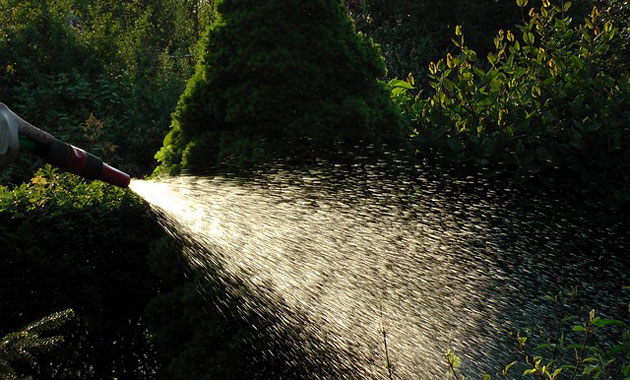
The risk is lowest for plants grown outdoors in the open ground without any containers. The earth acts as a limitless buffer, absorbing all the chemicals in the tap water and protecting the soil microbiome from harm. It absorbs and dilutes the chemicals before they can reach the important root zones. Therefore, if you’re watering outdoor plants planted directly into the earth, filling out buckets of water to have them sit for 24 hours before using them is both unnecessary and impractical. You can simply water from the tap.
Chemical Accumulation & Thermal Shock
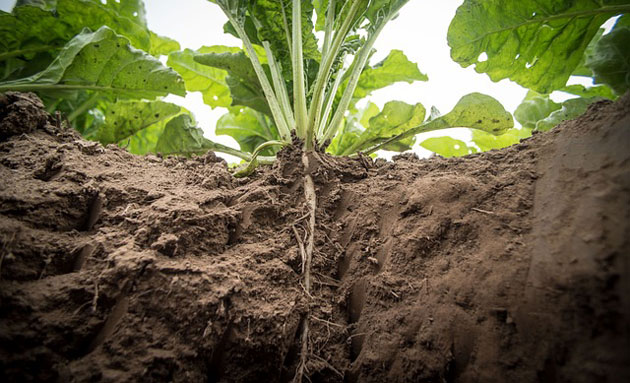
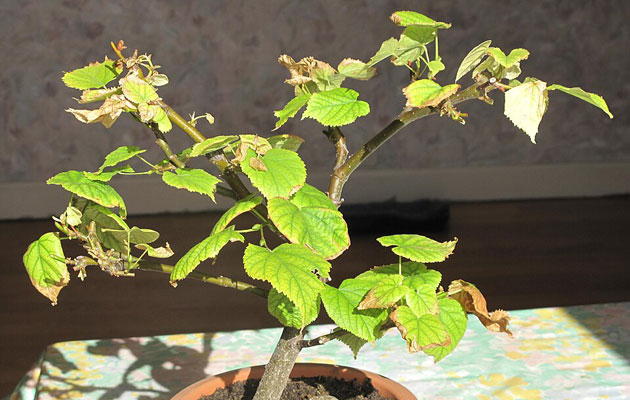
Think about how a plant “drinks” water. Plants drink water by sucking up water through the stem and evaporating it out via its stomata or leaf pores in a process called transpiration. However, the heavy chlorine ions, fluoride, and dissolved treatment salts do not evaporate, but are left behind in the plant tissues and soil. Plants will push these toxic chemicals to its furthest anatomical margins, which are the tips of leaves. As the toxic chemicals accumulate, it causes cellular collapse, resulting in the classic yellow leaf halo followed by dry, brown margins.
In the soil, tap water travels deep underground where the temperature can drop hugely. When you pour cold water straight from the tap into the warm outdoor environment of the soil, this is like an ice bath to the plant’s roots, causing the cells to constrict, and halting capillary function. The roots become incapable of drawing up moisture, causing the plant to wilt despite being in wet soil. When this cold shock keeps on happening, root dieback, stunting, and sudden leaf fall will occur.
The 24 hour Routine
Here we’ll show you exactly how to naturally remove chlorine from your water by banking on the principle that chlorine is a volatile gas that vaporizes away when exposed to normal atmospheric pressure and open air conditions.
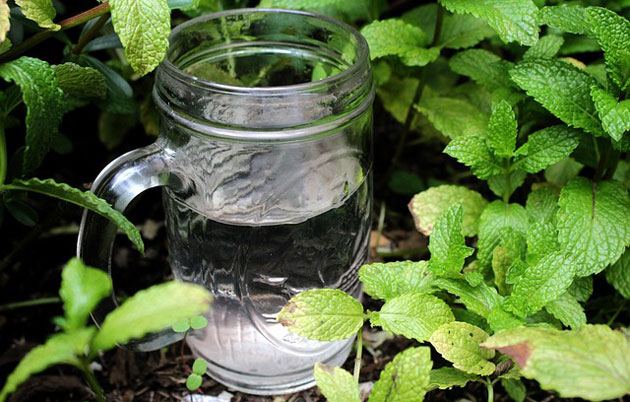
- Step 1: Select a wide mouthed container. Avoid narrow necked plastic soda bottles. Wide rimmed watering cans, five gallon buckets, or open glass pitchers are perfect for this. The greater the surface-area-to-volume ratio of the container, the faster the gas can escape.
- Step 2: Fill the container with tap water and place it in a well-ventilated room or shaded open air space. Let it sit undisturbed for 12-24 hours to allow for the chlorine to dissipate, and also equalize the temperature of the tap water.
- Step 3: Make sure the container is not sitting in direct sunlight, which warms up the water too much and can trigger algae growth, until its temperature is a stable and safe 20-22°C.
The Chloramine Exception
Many municipal districts nowadays use chloramine, which is chlorine chemically bound to ammonia. Unlike free chlorine, chloramine is much more stable and does not vaporize/off-gas into the atmosphere even when you let it sit for 24 hours (or however long). If your tap water has chloramine, here are 3 solutions you can use to get rid of it.
- Sodium Thiosulfate: This chemical can remove chloramine and it is found in cheap aquarium dechlorinator drops that you can obtain from most pet shops. One single drop neutralizes both chlorine and chloramine instantly.
- Ascorbic Acid: Adding just a tiny splash of lemon juice or a pinch of vitamin C powder will break up the strong binding between chlorine and ammonia in chloramine, turning it completely safe and inert.
- Rainwater Collection: Rainwater is naturally free of chloramine and chlorine and you can use it immediately to water all your plants, even the sensitive, delicate ones. Placing rain barrels under gutters is the easiest way to collect pure, warm rainwater.
Summary
Mastering plant care does not require rocket science or expensive setups. Setting aside tap water to water plants for 24 hours is one of the easiest zero-cost habit to practice, which can pay off in thriving, healthy plants, and that’s a big dividend for any gardener. And if its chloramine, we’ve outline the ways to deal with it too.


